Fire Fight: Tandoor vs. Wood-Fired Oven and What It Really Means for Your Indian Pizza
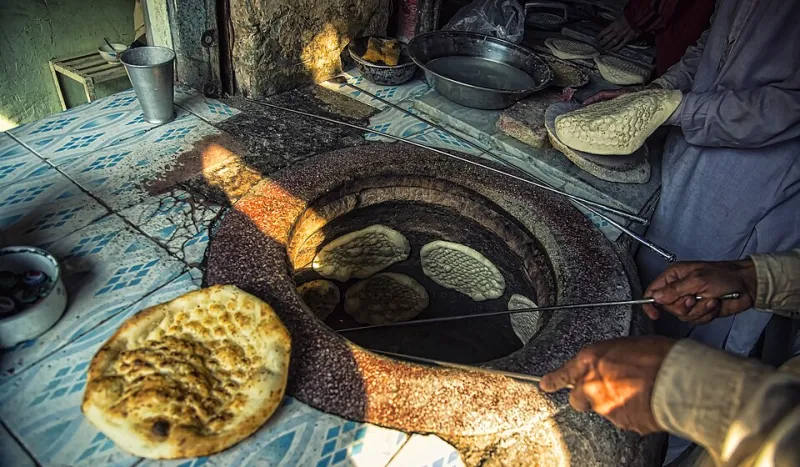
Photo: Tahsin Shah, CC BY-SA 4.0, via Wikimedia Commons
There's a moment, right around the time your pizza emerges from a screaming-hot oven with char marks that look almost too good to be true, when you stop thinking about toppings and start thinking about fire. For Indian-fusion pizza, that moment matters more than almost anywhere else in the food world — because two completely different heat traditions are fighting for the same crust.
On one side: the tandoor, a cylindrical clay oven that's been the backbone of Indian cooking for thousands of years. On the other: the wood-fired pizza oven, the Mediterranean workhorse that's been turning out Neapolitan pies since long before anyone thought to put tikka masala on one. Both run brutally hot. Both produce spectacular results. But they do very different things to your food — and if you're serious about Indian pizza, understanding that difference is everything.
What the Tandoor Actually Does to Dough
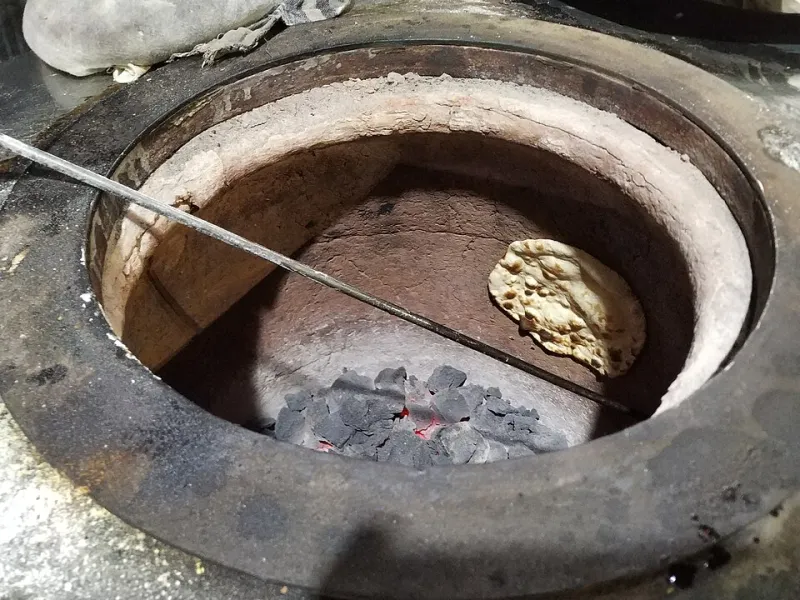
A traditional tandoor operates somewhere between 700°F and 900°F, with heat radiating from the walls of a clay chamber rather than from a flat hearth. When naan is slapped against those walls, moisture evaporates almost instantly, the outside blisters and chars in seconds, and the inside stays pillowy and slightly chewy. That's the magic.
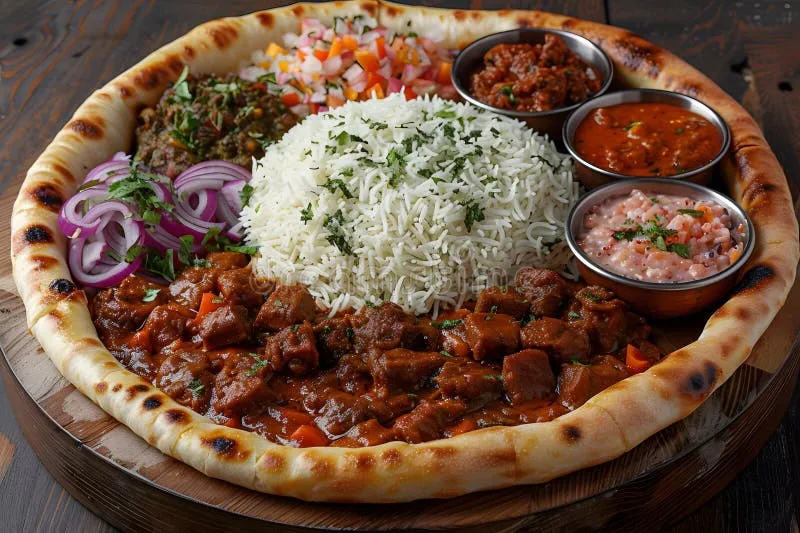
Now apply that logic to pizza dough. The radiant, enveloping heat of a tandoor cooks a crust from all sides simultaneously, which creates a texture that's unlike anything a conventional oven can produce. You get a thin, crackly exterior with a soft, almost cloud-like interior — and those characteristic dark spots that Indian bread lovers know and adore. The crust picks up a faint smokiness from the clay itself, a mineral quality that plays beautifully against bold toppings like lamb keema, charred paneer, or a mango habanero drizzle.
The limitation? Tandoors weren't built for flat pizzas. Getting a round pie to cook evenly in a cylindrical, vertically-oriented oven takes serious technique. Most tandoor-cooked pizzas are either smaller in diameter or require a custom-fitted rack — and even then, the edges nearest the heat source can outpace the center.
The Wood-Fired Oven's Strengths (and Its Gaps)
A Neapolitan-style wood-fired oven runs at a similar temperature range — typically 800°F to 950°F — but the heat dynamic is completely different. The dome reflects radiant heat downward while the stone floor conducts intense, direct heat upward through the base of the crust. The result is a pizza that cooks in roughly 90 seconds, with a crisp, leopard-spotted bottom and a puffy, airy cornicione (that's the outer edge, for the uninitiated).
For Indian-fusion applications, this setup has obvious appeal. The stone floor caramelizes spice-infused doughs beautifully — think doughs enriched with ajwain seeds or fenugreek — and the high ambient heat blooms aromatics in a way that a lower-temperature oven simply can't replicate. A tikka-sauced pizza with fresh cilantro and pickled red onion that hits 900°F for 90 seconds comes out with a complexity that takes your breath away.
But wood-fired ovens have their own blind spots. They're calibrated for Italian-style doughs with specific hydration levels. Indian-fusion recipes that incorporate whole wheat flour, chickpea flour, or ghee-enriched bases behave differently under that heat — they can burn before the interior is fully set, or lose the subtle nuttiness that makes those alternative flours worth using in the first place.
Why Some Restaurants Are Running Both
Here's where things get genuinely interesting. A growing number of Indian-fusion pizza spots across the country — from ambitious independents in Chicago's Logan Square to newer concepts popping up in Houston and the Bay Area — are investing in dual-oven setups. Not because they can't choose, but because they've realized the two systems are complementary, not competing.
The play goes something like this: use the tandoor for naan-based pizzas and thicker, stuffed-crust variations where that all-around radiant heat creates the ideal texture. Shift to the wood-fired oven for thinner, Neapolitan-inspired pies where a crisp bottom and fast cook time are the priority. Some kitchens even use the tandoor as a finishing step — doing an initial bake in the wood-fired oven, then a brief hit in the tandoor to add that distinctive char and clay-oven smokiness to the crust edge.
It's not cheap. A commercial tandoor can run anywhere from $2,000 to $10,000 depending on size and construction. A quality wood-fired oven starts around $5,000 and climbs steeply from there. But for restaurants building a serious Indian-fusion identity, the dual setup is becoming a signature — both a culinary tool and a conversation piece.
What Home Cooks Can Actually Do
If you're not in the market for two restaurant-grade ovens (fair), there are legitimate ways to approximate both results at home.
For the tandoor effect, a baking steel preheated for at least 45 minutes at your oven's maximum temperature (usually 500°F–550°F) combined with your broiler running simultaneously gets you surprisingly close. The baking steel mimics the conductive floor heat; the broiler approximates the radiant heat from above. You won't get clay-oven smokiness, but you'll get blistering, char, and a texture that's miles ahead of a standard baking sheet.
For the wood-fired experience, an outdoor pizza oven — brands like Ooni and Gozney have made these genuinely accessible at the $300–$500 price point — running hardwood or lump charcoal will get your cook surface above 800°F. That's the threshold where Indian-fusion doughs start doing interesting things: spices bloom, ghee creates richness in the crust, and the whole pie develops a depth of flavor that no home kitchen oven can match.
The one thing both methods share? They punish hesitation. High-heat cooking rewards confidence. Slide that pie in, resist the urge to fuss with it, and trust the fire.
The Verdict
Asking which heat source wins might be the wrong question. The tandoor and the wood-fired oven aren't rivals — they're collaborators, each bringing something the other can't replicate. The tandoor brings centuries of South Asian cooking wisdom: enveloping heat, clay-kissed smokiness, and a crust texture that feels genuinely different from anything else on the table. The wood-fired oven brings speed, a crackling bottom, and a flavor-developing intensity that makes bold Indian toppings sing.
The best Indian-fusion pizza isn't about picking a side. It's about understanding what each fire does — and then using that knowledge to build something neither tradition could have created alone. That's exactly the kind of thinking that makes this food so exciting right now.