Five Regions, Five Slices: How India's Culinary Geography Is Rewriting the Pizza Map
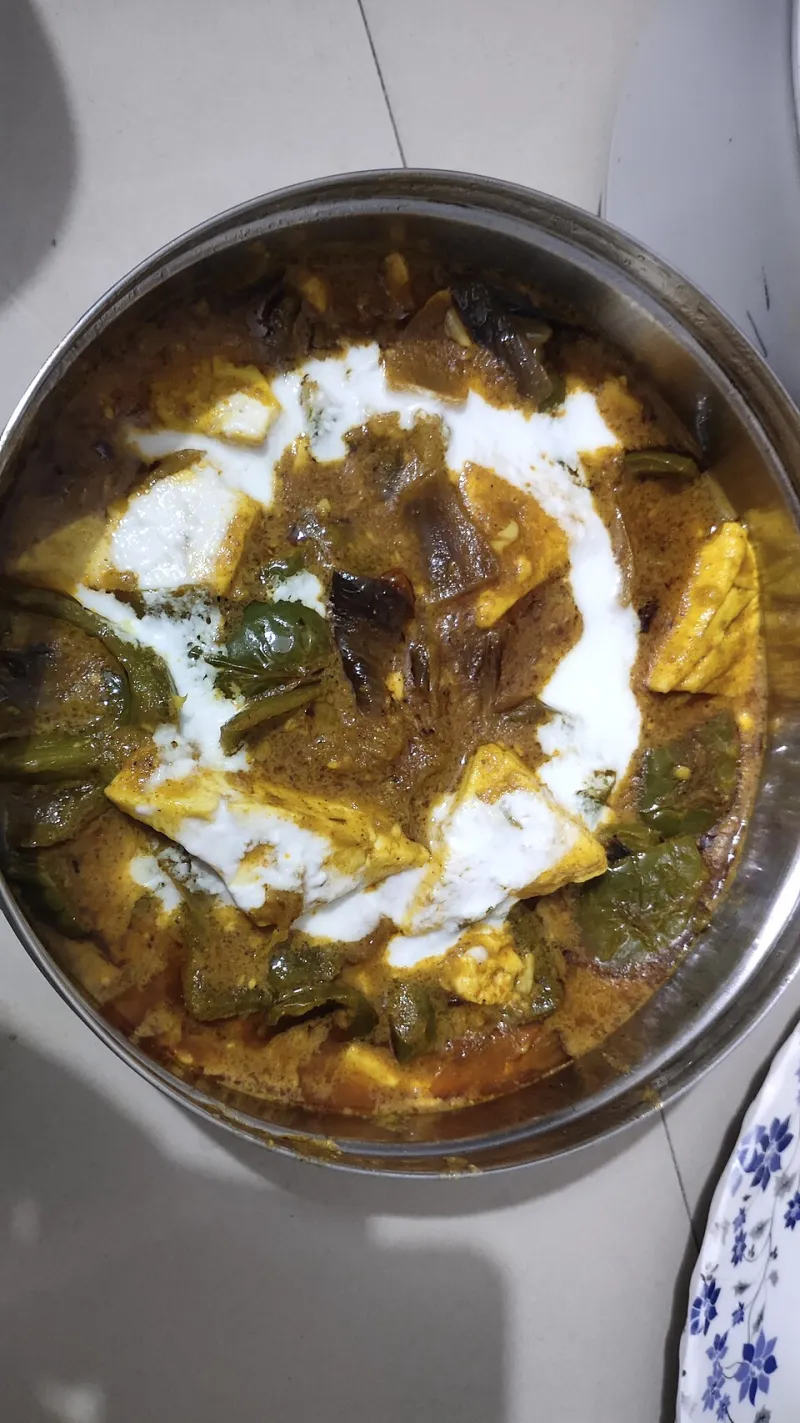
Photo: Medhi jyoti, CC0, via Wikimedia Commons
Ask anyone to describe Indian food, and you'll get a confident answer. Curry. Naan. Spicy. But spend five minutes talking to someone who actually grew up moving between Punjab, Tamil Nadu, Goa, Bengal, and Maharashtra, and you'll quickly realize that "Indian food" is less a cuisine and more a continent's worth of completely distinct culinary worlds.
That diversity is exactly what's fueling one of the most exciting food trends quietly bubbling up in American kitchens right now. Home cooks, pop-up chefs, and restaurant experimenters are doing something genuinely bold: they're not just adding tikka masala sauce to a pizza base and calling it fusion. They're going deep. They're pulling from the specific flavor profiles, local ingredients, and cooking philosophies of individual Indian regions—and building pizza styles so different from one another that you'd barely guess they came from the same concept.
Let's take a tour.
Punjab: The Tandoor-Fired Heavyweight
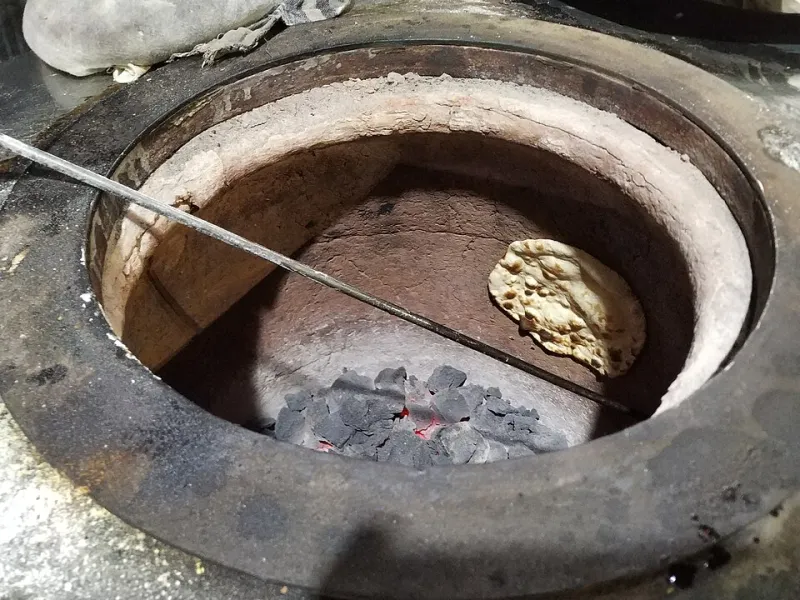
If any Indian region was destined to meet pizza, it's Punjab. The tandoor oven—that fierce, cylindrical clay beast that chars naan and roasts chicken tikka to smoky perfection—is practically a pizza oven in disguise. Punjabi-inspired pizza leans hard into this heritage.
Think thick, pillowy crusts brushed with spiced ghee, topped with slow-cooked butter chicken (murgh makhani) in place of tomato sauce, and finished with a generous scatter of fresh cilantro and a drizzle of cream. Home cooks experimenting with this style often use leftover dal makhani as a base—its rich, smoky depth makes a surprisingly brilliant pizza sauce.
Sarah Mehta, a home cook based in Naperville, Illinois, started making what she calls her "Punjabi Sunday pizza" during the pandemic. "I had leftover butter chicken and I just thought, why not?" she says. "My husband thought I'd lost it. Now it's the most requested thing at every dinner party we throw."
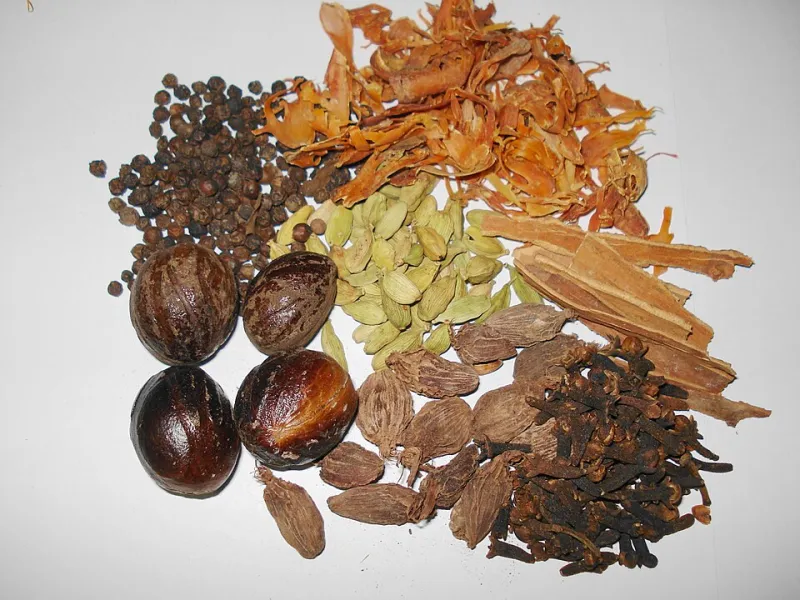
The key flavor notes here: smoke, cream, warmth from garam masala, and that unmistakable char that only high heat can produce.
South India: Thin, Tangy, and Completely Unexpected
Move south, and the whole flavor vocabulary shifts. South Indian cooking—spanning Tamil Nadu, Kerala, Karnataka, and Andhra Pradesh—is built on tamarind, curry leaves, mustard seeds, and coconut in ways that feel almost Mediterranean in their brightness and acidity.
South Indian-style pizza is thinner, crispier, and punchy in a completely different register than its Punjabi cousin. Imagine a dosa-thin crust (sometimes actually made with a fermented rice-lentil batter), topped with a sambar-inspired tomato base, scattered with crispy curry leaves, and finished with fresh coconut flakes and a swirl of coconut chutney.
In Houston—home to one of the largest South Indian diaspora communities in the US—this style is getting serious traction. Chef Priya Nair, who runs a weekend pop-up, uses a coconut milk reduction as her sauce base. "People who grew up eating idli and dosa get it immediately," she explains. "For everyone else, it's a total revelation."
The flavor experience is bright, slightly sour, aromatic with curry leaf, and genuinely unlike anything else in the pizza universe.
Bengal: Mustard, Mustard, and More Mustard
Bengali cuisine has a secret weapon that most Americans haven't fully discovered yet: mustard. Not the yellow squeeze-bottle kind. We're talking raw mustard paste, mustard oil, and the kind of pungent, earthy heat that builds slowly and lingers beautifully.
Bengali-inspired pizza is arguably the most adventurous stop on this regional tour. Mustard oil is used to dress the dough and the finished pie. Toppings might include shorshe ilish (hilsa fish in mustard sauce)—a beloved Bengali classic—or a vegetarian version built around mustard-marinated paneer, caramelized onions, and green chilies.
Raj Banerjee, a software engineer in Fremont, California, has been perfecting his Bengali pizza for two years. "The mustard is polarizing," he admits with a laugh. "But the people who love it really, really love it. I've had friends drive forty-five minutes to my place just for this pizza."
The crust here often incorporates a touch of maida (refined flour) for softness, and the whole thing is finished with a sprinkle of nigella seeds—a classic Bengali touch that adds a subtle oniony depth.
Goa: The Coastal Fusion That Was Always Meant to Be
Goa's culinary identity is already a fusion story. Centuries of Portuguese influence layered over Konkani coastal traditions created a cuisine that's uniquely tangy, vinegary, and spiced with red chilies in a way that feels almost Latin in character. Vindaloo—arguably Goa's most famous export—is literally a dish born from Portuguese wine-and-garlic marinade meeting Indian spice.
Goan pizza almost writes itself. A vindaloo-spiced sauce, slow-braised pork (or chicken) tossed in that distinctive Goan masala, topped with fresh calabaza squash or roasted peppers, and finished with a squeeze of lime and fresh herbs. The acidity that defines Goan cooking makes for a pizza that's bright and complex rather than heavy.
"Goan food already has that European DNA," says food blogger Anita Fernandes, who covers the Indian-American food scene from her base in New Jersey. "It's not a stretch at all. It's almost like the cuisine was waiting for someone to put it on a pizza crust."
Maharashtra: Street Food Energy on a Slice
Mumbai is the street food capital of India, and Maharashtrian flavors carry that same restless, crowd-pleasing energy. Pav bhaji—a spiced vegetable mash served with buttered bread rolls—is practically a pizza topping already. Vada pav, the beloved Mumbai street snack, inspires a pizza loaded with spiced potato filling, green chutney, and tamarind drizzle.
The Maharashtrian pizza style tends toward generous, unapologetically loaded toppings with bold, tangy chutneys playing the role that hot sauce might on a classic American slice. It's messy, vibrant, and deeply satisfying.
Home cook Deepa Kulkarni in Columbus, Ohio, has been making her pav bhaji pizza for family gatherings for three years running. "It tastes exactly like Mumbai street food but somehow also exactly like pizza," she says. "That's the magic of it."
What This Movement Actually Means
What's remarkable about this regional Indian pizza movement isn't just the flavors—it's the philosophy. These cooks aren't diluting Indian cuisine to make it more "acceptable" to a Western palate. They're doing the opposite: they're going deeper into regional specificity, trusting that American food lovers are ready for something genuinely complex and rooted.
And increasingly, those American food lovers are proving them right.
The five rivers of Indian culinary tradition—those vast regional streams of flavor, technique, and ingredient—are flowing into something new. Something that respects both the subcontinent and the slice. And honestly? It tastes incredible.