Spice Science: What Happens When Garam Masala Meets Mozzarella
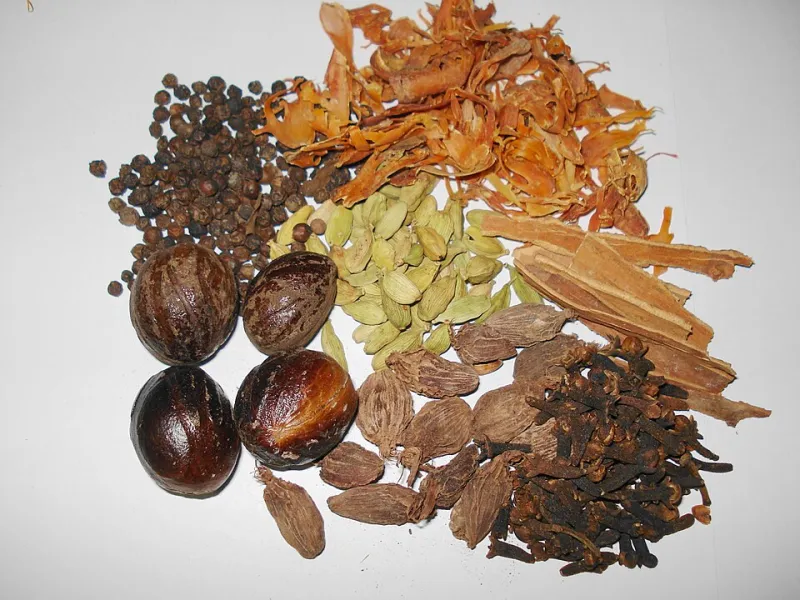
Photo: Miansari66, Public domain, via Wikimedia Commons
Pizza has always been a canvas. From the bare-bones Neapolitan margherita to the loaded deep-dish pies of Chicago, the beauty of a pizza is that it bends to whoever is holding the dough. But what happens when you hand that dough to a tradition rooted in five thousand years of spice culture? You get something that genuinely surprises your taste buds — in the best possible way.
At Five Rivers Indian Cuisine Pizza, we've spent a lot of time thinking about exactly this question. And the answer, it turns out, is equal parts chemistry and creativity.
Why Indian Spices Work So Well on Pizza
Before we get into the how, let's talk about the why. Indian cooking is built on a philosophy of layered flavor — you don't just season a dish, you build it. Whole spices bloom in hot oil. Ground spices are toasted to release volatile aromatic compounds. Fresh herbs are folded in at the end to preserve brightness. This approach, when applied to pizza, creates a depth that a simple sprinkle of dried oregano just can't compete with.
Take garam masala, one of the most well-known spice blends in Indian cooking. It's a warm, complex mix that typically includes cardamom, cinnamon, cloves, black pepper, and cumin, though every household and every chef has their own version. On pizza, garam masala does something unexpected: it amplifies the richness of cheese without making the slice feel heavier. The warmth of cinnamon and clove plays off the fat in mozzarella the same way a pinch of nutmeg elevates a béchamel sauce. It's subtle, but once you taste it, you can't un-taste it.
Fenugreek is another game-changer. The dried leaves — called kasuri methi — have a slightly bitter, maple-like quality that balances the acidity of tomato sauce beautifully. Chef Priya Mehta, a fusion cooking instructor based in Chicago, puts it plainly: "Kasuri methi is like a flavor bridge. It connects the familiar tomato base that American diners know with something they've never quite experienced before. It makes the whole thing feel cohesive, not like two cuisines fighting each other."
The Wild Card: Asafetida
If garam masala is the crowd-pleaser and fenugreek is the balancer, asafetida — also called hing — is the wild card. It's a pungent, sulfurous resin derived from a plant in the carrot family, and in its raw form, it smells intense enough to clear a room. But cook it in hot oil for just thirty seconds, and something almost magical happens: the sharp edge softens into a deep, savory, onion-garlic-like flavor that adds umami without any actual onion or garlic.
For pizza, that matters more than you might think. A small pinch of asafetida bloomed in the olive oil used to brush the crust creates a base-level savoriness that makes every subsequent topping taste more intentional. It's the kind of ingredient that doesn't announce itself — it just makes everything else taste better.
Fusion chef Arjun Kapoor, who consults for several Indian-American restaurants on the East Coast, describes hing as "the secret handshake of Indian cooking. You don't always know it's there, but you definitely notice when it's missing."
Building an Indian-Spiced Pizza: A Flavor Pairing Primer
Flavor pairing in fusion cooking isn't random — it follows principles that both cuisines actually share. Italian and Indian cooking both rely heavily on aromatics as a foundation (garlic and olive oil versus cumin and mustard seeds). Both traditions use slow-cooked tomato-based sauces. Both celebrate fresh herbs as a finishing element. These overlaps are exactly where the magic happens.
Here's a simple framework for thinking about Indian-spiced pizza in layers:
The Base (Sauce): Swap or blend your standard pizza sauce with a tikka masala-style tomato base. The addition of ginger, tomato, and cream (or coconut milk for a dairy-free version) creates a sauce that's richer and more complex than a plain crushed tomato, while still playing nicely with cheese.
The Bloom (Oil or Butter): Before you sauce the dough, brush it with an oil that's been infused with bloomed spices — cumin seeds, a pinch of hing, maybe some crushed coriander. This step takes about two minutes and transforms the crust from a neutral vehicle into an active flavor component.
The Middle (Toppings): This is where you can get creative. Paneer, the fresh Indian cheese, holds up beautifully under high oven heat and absorbs marinades like a sponge. Spiced chicken tikka is practically made for pizza — the char from the tandoor-style preparation mimics the blistered quality of wood-fired pizza toppings. Roasted cauliflower with turmeric, caramelized onions with amchur (dried mango powder), or even a lamb keema with green peas all translate remarkably well.
The Finish (Fresh Elements): Just like you'd tear fresh basil over a margherita, finish your Indian pizza with a drizzle of mint chutney, a few leaves of fresh cilantro, a squeeze of lime, or a dollop of raita. These bright, acidic finishes cut through the richness and pull the whole slice together.
Trying It at Home: A Few Practical Tips
You don't need a tandoor oven or a spice collection the size of a small library to experiment with Indian-spiced pizza. Most of the key ingredients — kasuri methi, garam masala, cumin seeds, asafetida — are available at any Indian grocery store and increasingly at mainstream supermarkets like Whole Foods or even Walmart.
A few things to keep in mind:
- Toast your spices before adding them. Dry-toasting ground spices in a pan for thirty seconds before incorporating them into a sauce or oil dramatically intensifies their flavor.
- Start subtle. Indian spices are potent. A quarter teaspoon of garam masala in a full batch of pizza sauce is enough to notice a difference without overwhelming.
- Don't skip the fat bloom for whole spices. Cumin seeds, mustard seeds, and fennel seeds need hot fat to release their essential oils. Sprinkling them dry on top of a pizza doesn't do the same thing.
- Balance heat with cool. If you're going spicy with something like a chili-forward topping, pair it with a cooling element — raita, fresh yogurt, or a cucumber-mint salad on the side.
The Bigger Picture
What makes Indian spices so transformative for pizza isn't just the flavor — it's the philosophy behind them. Indian cooking is about intention. Every spice has a purpose, a role in the dish, and a relationship with the other ingredients around it. When you bring that mindset to pizza-making, you stop thinking about toppings as things you pile on and start thinking about them as elements of a conversation.
That's the spirit behind everything we do at Five Rivers. The Subcontinent and the slice have more in common than most people realize — and the best way to discover that is one bite at a time.