Clay Ovens, Fierce Heat, and Perfectly Charred Crusts: The Ancient Techniques Behind Modern Indian Pizza
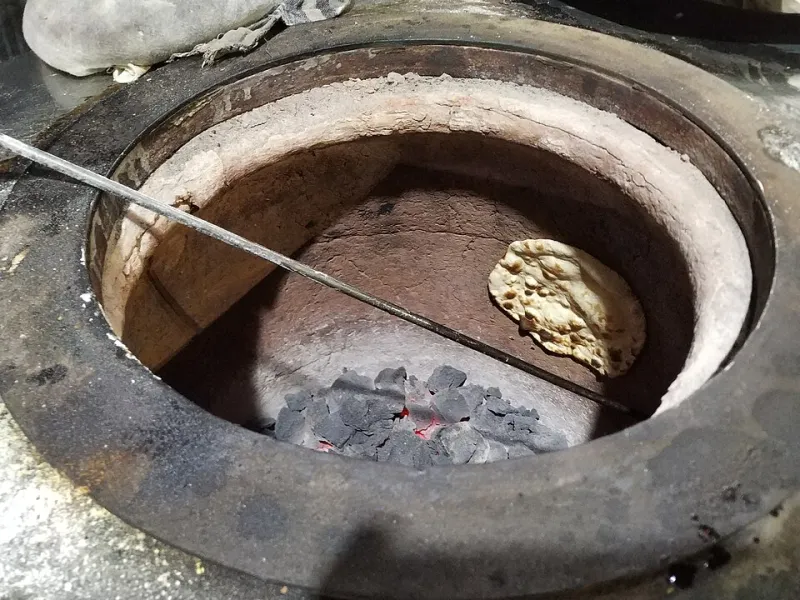
Photo: Ravi Dwivedi, CC BY-SA 4.0, via Wikimedia Commons
There's a moment in a well-run tandoor kitchen when the heat hits a particular pitch — somewhere north of 700°F — and the air itself seems to crackle. Flatbreads blister and puff. Proteins caramelize on the outside while staying tender within. It's dramatic, it's ancient, and it turns out, it's also the perfect foundation for making pizza.
Across the country, a growing wave of Indian-American chefs is doing something quietly radical: borrowing the physics and philosophy of tandoor cooking and applying them to one of America's most beloved foods. The results are pies that taste like nothing else on the menu — complex, aromatic, with a crust that has genuine personality.
What Makes the Tandoor So Different
Most American pizza ovens, even the wood-fired variety, heat food primarily through convection and radiated heat from the oven floor. The tandoor works differently. It's a cylindrical clay vessel that concentrates radiant heat from its walls while also generating significant convective airflow. Dough stuck to the inside wall of a tandoor doesn't just bake — it's simultaneously dried, charred, and infused with a faint smokiness from the charcoal or wood burning at the base.
That wall-contact cooking is key. When naan bakes inside a tandoor, it develops a crust that's crisp at the contact points and pillowy in between. Chefs experimenting with Indian pizza techniques are chasing exactly that texture — a crust with structural integrity and real chew, not the uniformly crispy base you get from a standard deck oven.
Some kitchens are going even further by pre-baking their pizza dough directly in the tandoor before adding toppings, essentially flash-curing the base so it can hold saucy, moisture-heavy toppings like saag or tikka masala without going soggy. It's a clever workaround that solves one of the trickiest problems in Indian pizza cookery.
Spice Infusion: It Starts Before the Oven
Italian pizza tradition builds flavor primarily through layering — sauce, cheese, toppings, a final drizzle of olive oil. Indian cooking, by contrast, often front-loads flavor. Spices are bloomed in fat, proteins are marinated for hours, and aromatics are cooked down into deeply concentrated bases. When Indian chefs approach pizza dough, they bring that same instinct with them.
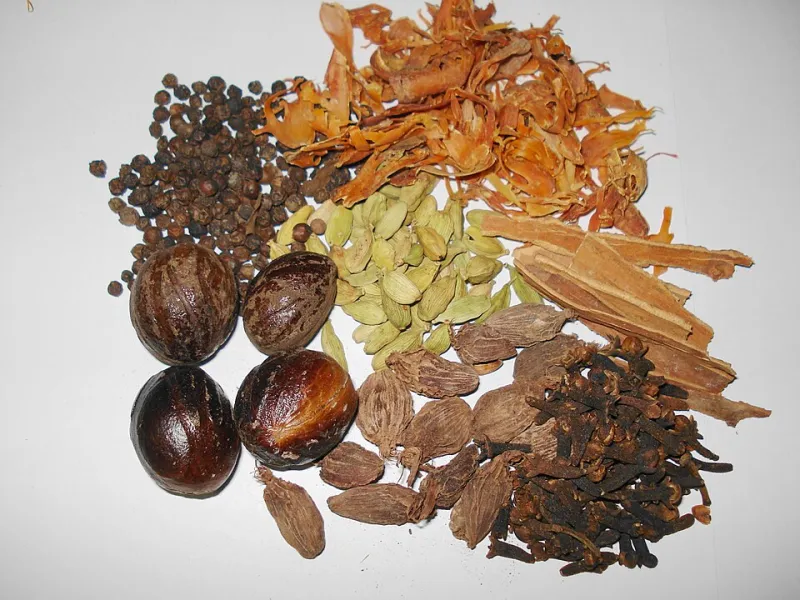
One technique gaining traction is incorporating whole spices — ajwain seeds, crushed black pepper, dried fenugreek leaves — directly into the dough during mixing. Ajwain in particular is a smart choice: it has a thyme-like earthiness that complements both the fermented tang of pizza dough and the richness of cheese. The seeds release their oils slowly during baking, perfuming the entire crust from the inside out.
Another approach involves ghee-washing. Rather than brushing a finished crust with olive oil, some chefs apply clarified butter infused with garlic and curry leaf to the dough's edge before it goes into the oven. The ghee's high smoke point means it doesn't burn, but it does develop a nutty, aromatic quality that makes even a plain pizza edge worth eating.
The Sauce Question
For Italian pizza purists, the tomato sauce is nearly sacred. Indian pizza chefs tend to treat it as negotiable. Makhani sauce — the buttery, cream-enriched tomato base behind butter chicken — has become something of a go-to alternative, and for good reason. It has the acidity and body of a traditional pizza sauce, but adds a warmth from garam masala and kashmiri chili that lingers pleasantly on the palate.
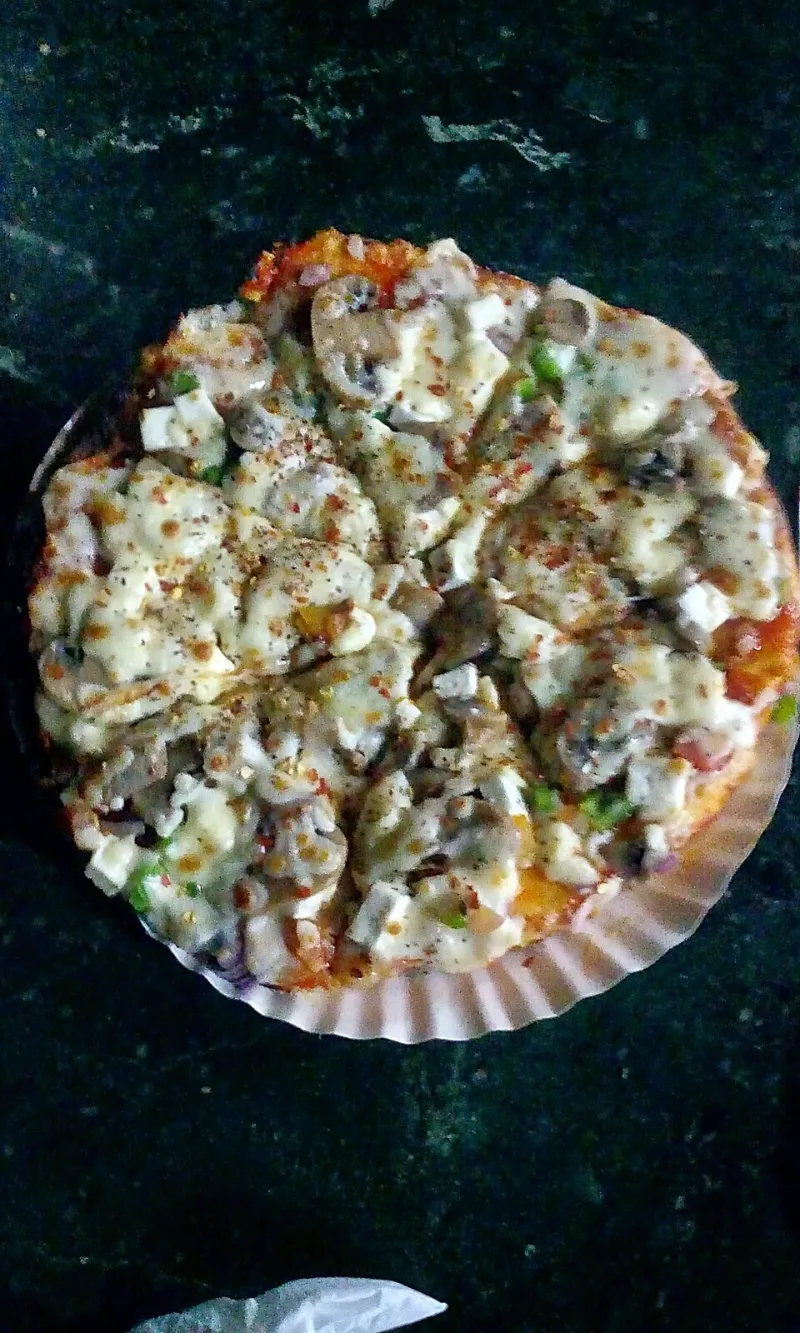
Other chefs skip tomato entirely. A green chutney base made from fresh cilantro, mint, green chili, and lime gives pizza a bright, herbaceous lift that pairs beautifully with grilled paneer or roasted cauliflower toppings. Saag — the slow-cooked spinach preparation familiar to anyone who's ordered Indian takeout — works surprisingly well as a sauce, especially under a blanket of low-moisture mozzarella that keeps it from making the crust wet.
Managing Moisture: The Trickiest Variable
Here's where Indian pizza chefs earn their stripes. Indian cuisine is rich in high-moisture ingredients: yogurt-marinated proteins, braised lentils, fresh herbs, chutneys. Loading a pizza with any of these without preparation is a recipe for a soggy mess.
The solutions are practical and often drawn straight from traditional Indian cooking. Proteins are marinated in thick, yogurt-based mixtures and then cooked partially before hitting the pizza — the same approach used for tandoori chicken. That pre-cooking drives off excess moisture and develops surface caramelization that holds up in the oven. Paneer, the fresh cheese that's become a defining topping in this space, benefits from a quick pan-sear before it's placed on a pie, giving it a golden crust that adds textural contrast and seals in its mild flavor.
Vegetables get similar treatment. Cauliflower florets are roasted with turmeric and cumin until their edges darken and their moisture content drops significantly. Spinach is wilted and squeezed dry before being incorporated into a sauce. These aren't shortcuts — they're the same careful prep work that makes Indian food taste the way it does, just redirected toward a different final dish.
Two Traditions, One Serious Crust
What's remarkable about watching this culinary conversation unfold is how naturally the two traditions speak to each other. Both Italian and Indian cooking are built on a deep respect for heat management, fermentation, and the transformative power of fat and spice. The tandoor and the wood-fired oven are separated by geography and thousands of years of independent development, but they share a fundamental commitment to intense, direct heat and the flavors it creates.
The chefs driving this movement aren't trying to replace either tradition. They're doing what great cooks have always done — taking what they know deeply and using it to make something new. The crust is crispier. The sauce is more complex. The toppings carry a spice heritage that Italian pizza simply never had access to.
For adventurous diners, that's not a compromise. It's an upgrade.