Move Over, Pepperoni: How Paneer Became the Pizza Topping America Didn't Know It Needed
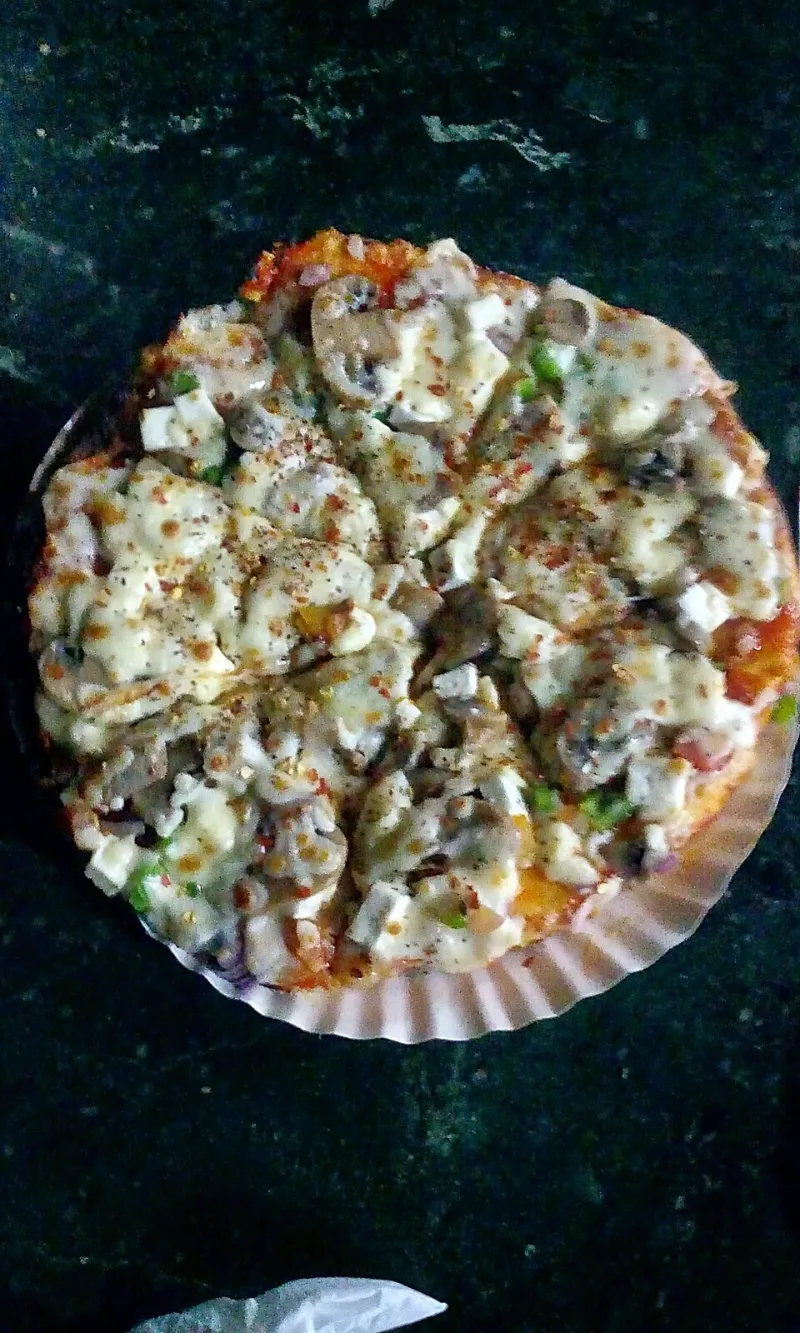
Photo: Gandhi Mudit, CC BY-SA 4.0, via Wikimedia Commons
Ask most Americans to name their go-to pizza topping and pepperoni is going to come up fast. It's salty, it's fatty, it curls up at the edges in the oven, and it's been the default choice on American pizza for decades. But something is shifting. Slowly and then all at once, paneer — the fresh, unaged Indian cheese made from whole milk — is earning a spot on menus and in home kitchens across the country, and it's doing so on its own terms.
This isn't a passing food trend. Paneer on pizza is a genuinely good idea that happens to be arriving at exactly the right moment.
What Is Paneer, and Why Does It Work on Pizza?
For anyone who hasn't cooked with it before, paneer is a non-melting fresh cheese with a mild, slightly milky flavor and a firm, almost tofu-like texture. It's made by curdling hot whole milk with an acid — usually lemon juice or white vinegar — and then pressing the curds into a solid block. The result is a cheese that holds its shape at high temperatures rather than turning into a puddle of grease, which is exactly what you want on top of a hot pizza.
That non-melting quality is a feature, not a bug. Where mozzarella softens and stretches, paneer stays firm, developing a golden, slightly crispy exterior in a hot oven while remaining tender inside. It adds substance and chew to every bite without the greasiness that can make heavily topped pizzas feel heavy. On a well-made Indian pizza — say, one with a makhani base and a scattering of caramelized onions and roasted peppers — paneer brings a clean, creamy contrast that ties everything together.
The Numbers Behind the Trend
Consumer behavior data from the past few years tells a clear story. Plant-forward eating is mainstream now, not fringe. A significant share of American diners — particularly millennials and Gen Z — are actively reducing their meat consumption without going fully vegetarian. They're not looking for fake meat. They're looking for real, satisfying food that just happens to not involve a trip to the deli counter.
Paneer fits that profile perfectly. A standard four-ounce serving delivers somewhere around 25 to 28 grams of protein, comparable to chicken breast, along with meaningful amounts of calcium. It's made from whole milk, so it's genuinely filling. And because it's vegetarian, it works for a much broader range of diners than pepperoni — which is off the table entirely for the growing population of vegetarians and those observing religious dietary restrictions.
Restaurant operators are noticing. Indian-American fusion spots have been featuring paneer tikka pizza for years, but now the ingredient is popping up in mainstream pizzerias, fast-casual chains experimenting with global flavors, and meal kit services looking for interesting protein options. When Whole Foods and similar retailers start stocking multiple paneer brands in the cheese aisle — which they increasingly do — that's a sign the ingredient has crossed over from specialty to mainstream.
How Restaurants Are Using It
The most common approach is paneer tikka pizza, which takes its cue from the beloved Indian appetizer. Cubes of paneer are marinated in spiced yogurt — typically with cumin, coriander, turmeric, and kashmiri chili — then grilled or broiled until charred at the edges. Those marinated cubes go on top of a makhani or tomato-based pizza sauce, often alongside red onion, bell pepper, and a finishing garnish of fresh cilantro and a drizzle of mint chutney after the pie comes out of the oven.
It's a combination that works on multiple levels. The smokiness of the charred paneer echoes the wood-fired or high-heat character of a good pizza crust. The yogurt marinade tenderizes the cheese and adds a tangy layer that plays off the richness of the sauce. The fresh cilantro and chutney at the end cut through the heat and fat, keeping the whole thing lively and bright.
Other creative approaches include crumbled paneer used almost like ricotta, scattered in small mounds across a white pizza with spinach and garlic. Or thin-sliced paneer layered like a fresh mozzarella caprese, dressed with tamarind reduction instead of balsamic. The cheese is versatile enough to follow wherever a chef wants to take it.
Picking Good Paneer for Pizza at Home
If you're making Indian pizza at home — and you should be — paneer quality matters more than you might think. The packaged paneer sold in most grocery stores is perfectly serviceable, but fresh paneer from an Indian grocery store or a specialty market tends to have a softer texture and cleaner flavor that makes a real difference on pizza.
When shopping, look for paneer that's white to pale cream in color, with no yellowing or dry edges. It should feel firm but not rubbery when pressed. Check the ingredient list: good paneer contains only milk and an acid (lemon juice, vinegar, or citric acid). Anything with stabilizers or added gums is a lesser product.
At home, the single most important step before putting paneer on a pizza is to sear it. Cut it into cubes or slabs, pat it completely dry, and get a cast-iron pan or stainless skillet screaming hot with a neutral oil before adding the cheese. Don't move it for at least two minutes. You want a deep golden crust on at least two sides. This step adds flavor, texture, and — crucially — helps the paneer hold together on top of a saucy pizza rather than crumbling into the toppings.
From there, a simple marinade of yogurt, garlic, ginger, and whatever spice blend you favor works beautifully. Let the seared paneer sit in the marinade for as little as 30 minutes or as long as overnight before assembling your pizza.
Why This Is More Than a Moment
Food trends come and go, but paneer on pizza has staying power because it solves real problems. It satisfies the desire for a substantial, protein-rich topping without the saturated fat load of cured meats. It opens pizza up to a wider audience of diners who previously had limited options. And it tastes genuinely, legitimately good — not like a compromise, but like a choice you'd make again.
America's relationship with Indian flavors has been deepening for decades, and this is just the latest chapter. The same country that once treated tikka masala as exotic now cooks it on weeknights. Paneer on pizza is the next step on that same path — and from where we're standing, it's a delicious one.