Rains, Roots, and Remarkable Slices: How India's Monsoon Harvest Is Reinventing Summer Pizza
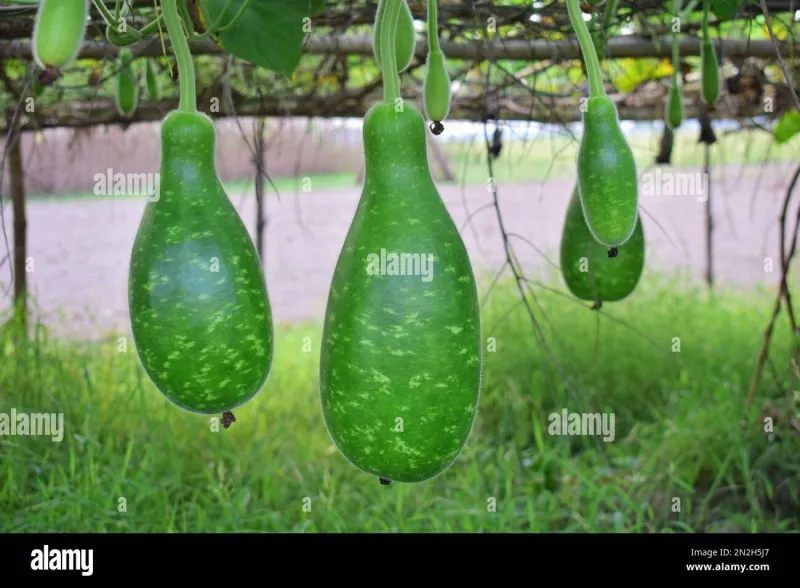
Photo: fresh Indian monsoon vegetables kokum bottle gourd colorful produce market, via c8.alamy.com
Somewhere between June and September, the Indian subcontinent exhales. The punishing pre-monsoon heat breaks, the soil softens, and an entirely different category of ingredient begins to emerge from farms and kitchen gardens. Kokum swells on the vine. Bottle gourd stretches long and pale in roadside plots. Raw mangoes surrender their sharp, acidic bite. Tender drumstick pods hang heavy from moringa trees.
For most American pizza lovers, these ingredients might as well be from another planet. But for a growing wave of Indian pizza chefs working in cities like Chicago, Houston, New York, and the Bay Area, monsoon-season produce isn't an exotic novelty — it's the backbone of some of their most exciting, most talked-about limited-time menus.
Why Seasonality and Pizza Have Always Had a Complicated Relationship
Pizza, by its very design, was built for consistency. You walk in on a Tuesday in February and expect the same margherita you had on a Saturday in August. That reliability is part of the deal. The flour, the sauce, the cheese — it's a formula refined over generations to deliver comfort on demand.
But Indian cuisine has never really operated that way. From the coastal kitchens of Kerala to the hill stations of Himachal Pradesh, Indian cooking has always been deeply in conversation with the calendar. Monsoon season doesn't just change the weather — it changes what you eat, how you cook, and what flavors feel right. Fried snacks and tangy chutneys dominate because the humidity calls for bold, stimulating tastes. Light, cooling vegetables become centerpieces because the body craves balance.
When you start building pizza through that lens, something genuinely interesting happens.
The Ingredients Driving the Monsoon Pizza Movement
Kokum is probably the most exciting monsoon ingredient landing on American pizza menus right now. A deep purple fruit native to India's Konkan coast, kokum delivers a sour, slightly fruity tang that functions almost like a more complex version of sun-dried tomato. Chefs are using kokum-infused sauces as a base layer beneath mozzarella, or reducing it into a drizzle that cuts through the richness of paneer and cream. The result is a pizza that tastes bright and coastal in a way that marinara simply can't replicate.
Bottle gourd, or lauki, is having its own quiet moment. Mild, slightly sweet, and with a texture that softens beautifully under high heat, it works as a topping in ways that surprise people who've only ever seen it in dal or curry. Roasted with cumin and a touch of chili, it sits on a pizza crust with a gentle earthiness that pairs remarkably well with smoked paneer or a yogurt-based white sauce.
Raw mango chutney is showing up as a finishing drizzle on everything from tandoori chicken pies to vegetarian spinach-and-cheese slices. The sharp, grassy sourness of green mango does something no tomato-based condiment can — it lifts the entire flavor profile of a slice the moment it hits your tongue.
Moringa leaves, loaded with nutrients and carrying a mild, slightly peppery flavor, are making appearances as an herbaceous topping, often scattered fresh after the pizza comes out of the oven, the way Italian chefs might finish a pie with fresh basil.
From Farm Cycles to Menu Rotations
What makes this movement particularly compelling is that it's forcing American pizza restaurants to think about their menus the way farm-to-table restaurants have for years — as something living and responsive rather than static and permanent.
Several Indian pizza spots are now printing monthly specials that explicitly reference the season and the source. A pie available in July might disappear by September, not because it didn't sell, but because the ingredient that made it special is gone until next year. That scarcity creates anticipation in a way that an always-available menu item simply can't.
For US diners who've grown accustomed to strawberries in December and tomatoes in January, this kind of intentional limitation is actually refreshing. It makes eating feel meaningful again. When a pizza chef tells you that the kokum sauce on tonight's special came from a small-batch producer who only harvests during a six-week window, that changes how you taste it.
The Fine Dining Blur
There's a broader cultural shift happening here, too. Indian pizza is increasingly straddling the line between casual quick-service and considered, ingredient-driven dining. Monsoon menus are a big part of that.
When a pizza place starts talking about agricultural cycles, sourcing relationships, and the philosophy behind seasonal eating, it's entering a conversation that until recently belonged exclusively to white-tablecloth restaurants with tasting menus and wine pairings. The fact that it's happening at spots where you can still order a whole pie for under twenty dollars says something interesting about where food culture is heading.
American diners, particularly younger ones, increasingly want to know the story behind what they're eating. They want context. They want to feel like their food choices are connected to something larger than a standardized recipe. Monsoon-inspired pizza, with its roots in actual agricultural tradition, delivers exactly that.
How to Think About Monsoon Pizza If You're New to It
If you've never ventured beyond classic toppings, a monsoon-inspired pizza might feel like a leap. Here's a framework that helps: think of it less as "weird ingredients on pizza" and more as "familiar pizza logic applied to unfamiliar flavors."
The sauce is still doing the foundational work — it's just built from kokum or tamarind or raw mango instead of tomato. The cheese is still there, usually mozzarella or a blend, providing that creamy, stretchy backdrop. The toppings are still textural and savory — they're just sourced from a different culinary tradition.
Once you shift your mental model, the whole thing clicks. And then you'll start to wonder why it took this long for anyone to try it.
The Bigger Picture
At Five Rivers, the philosophy has always been that the best ideas in food happen at the intersection of traditions — when chefs stop asking "should these two things go together?" and start asking "what happens when they do?"
Monsoon-season pizza is a perfect expression of that spirit. It honors the agricultural calendar that has shaped Indian cooking for centuries while fully embracing the format that has made pizza one of the most beloved foods on earth. The result isn't a compromise between two cuisines. It's something new — and it tastes like summer, in the best possible way.