The Secret Ingredient Nobody's Talking About: How Water Mineral Profiles Are Quietly Transforming Indian Pizza Across the US
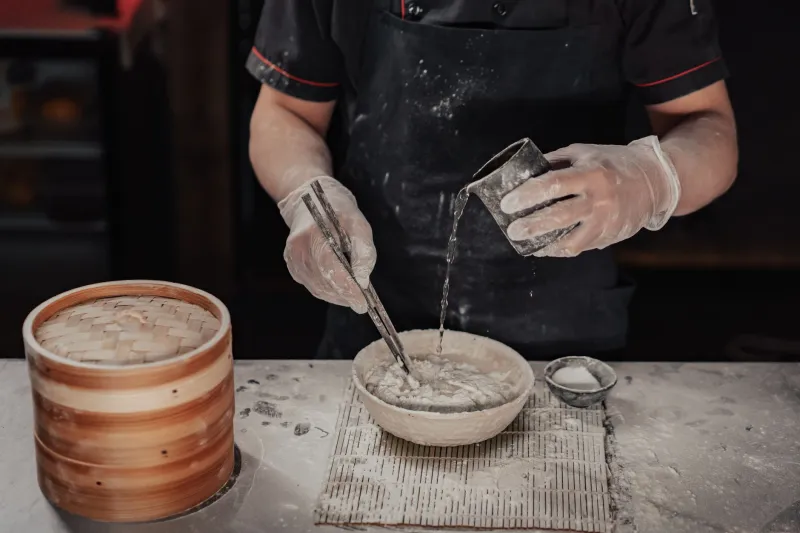
Ask most pizza lovers what makes a great slice and you'll hear the usual suspects — quality flour, fresh toppings, a screaming-hot oven. Push a little harder and maybe someone mentions the sauce, the cheese pull, the char on the crust. Almost nobody mentions water. But spend an afternoon talking to the chefs behind some of America's most ambitious Indian fusion pizza kitchens and you'll start to hear a different conversation entirely — one that sounds less like a recipe discussion and more like a geology lecture.
Water, it turns out, is not neutral. And in a cuisine that already demands so much precision from its ingredients, the mineral content of the water you use can quietly determine whether your dough ferments beautifully or fights you every step of the way.
Why Water Even Matters in the First Place
Here's the short version of the science: water contains dissolved minerals — primarily calcium, magnesium, bicarbonates, and sulfates — in concentrations that vary dramatically depending on where it comes from. Those minerals interact with yeast, gluten development, and fermentation bacteria in ways that are surprisingly significant. Hard water, which is high in calcium and magnesium, tends to tighten gluten structure and slow fermentation. Soft water does the opposite, producing slack, extensible doughs that can be harder to handle but often develop more complex flavor over time.
For traditional Neapolitan pizza, this science is already well-documented. The water in Naples has specific characteristics that bakers and pizzaiolos have adapted their recipes around for generations. Some American pizza obsessives even import water or use mineral-adjustment kits to replicate those conditions at home.
But Indian pizza chefs are approaching the same idea from a completely different cultural direction — and the results are genuinely fascinating.
India's Five Rivers and What They Carry
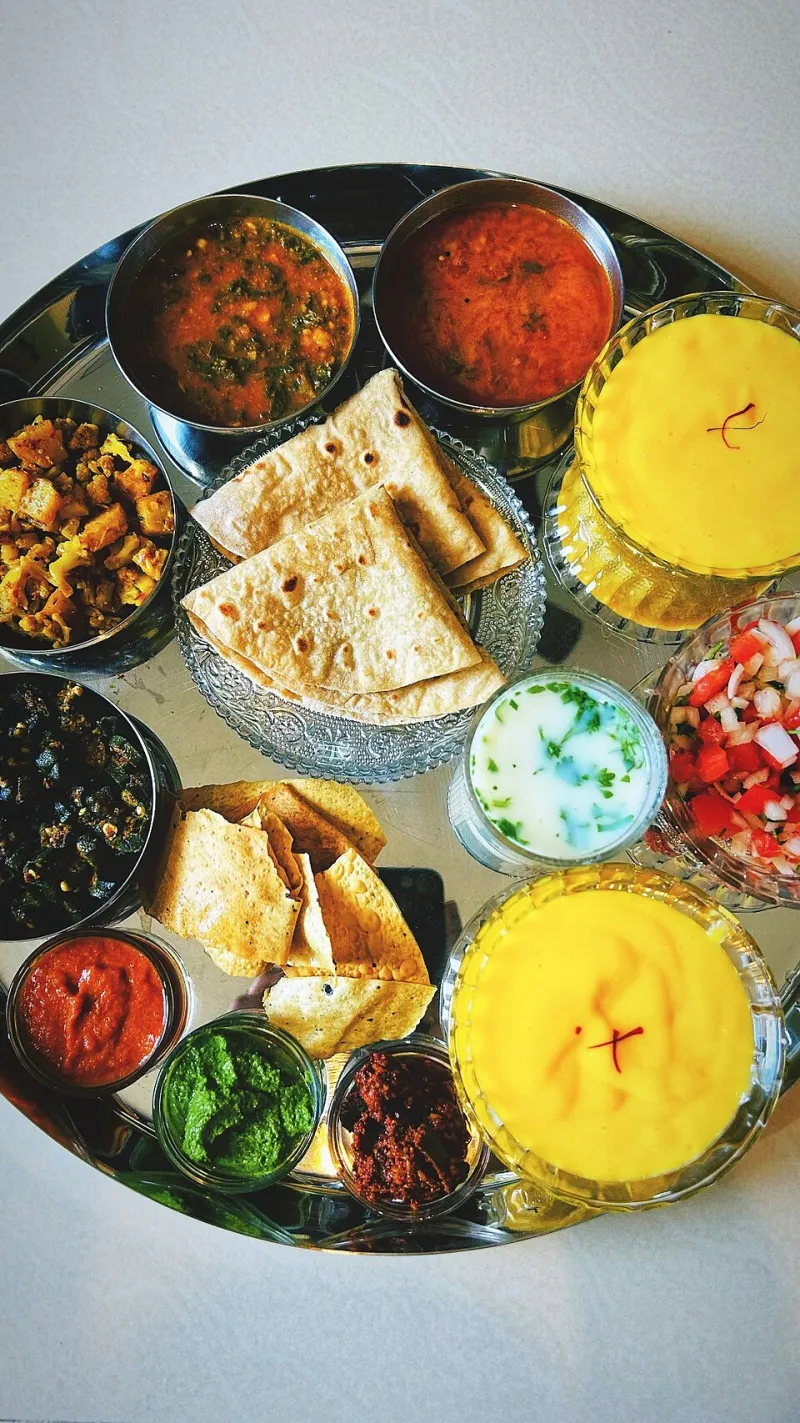
The Indian subcontinent is home to some of the world's most storied river systems, and the five rivers of the Punjab region — the Jhelum, Chenab, Ravi, Beas, and Sutlej — are particularly significant both historically and culinarily. These waterways have shaped agriculture, bread-making traditions, and fermentation cultures across the region for thousands of years. The mineral profiles of water drawn from these systems differ meaningfully, and those differences have left their mark on the breads, batters, and fermented foods that define North Indian cuisine.
Chefs who grew up cooking in those traditions carry an intuitive understanding of how water behaves — how it affects the elasticity of roti dough, how it influences the tang of a slow-fermented naan, how it changes the way a tamarind-based sauce reduces. Transplanting those instincts to an American pizza kitchen means confronting an entirely different water reality.
The American Water Problem
The United States has wildly inconsistent tap water. Chicago's water is moderately hard and chlorinated. Los Angeles pulls from snowmelt and groundwater with fluctuating mineral levels depending on the season. New York City's water is famously soft, which is part of why New York–style pizza dough behaves the way it does. Phoenix, Houston, Denver — each city presents a different mineral fingerprint, and that fingerprint shows up in your dough whether you account for it or not.
For Indian pizza chefs trying to replicate specific flavor profiles — the slight tang of a fermented whole-wheat crust, the particular chew of a dough made with atta flour, the way a tamarind-forward sauce needs to balance against a base that isn't fighting it with excess alkalinity — these regional water differences are a real operational challenge.
Some chefs are solving it with filtration systems that strip tap water down to near-neutral mineral content, then rebuild it with precise additions of food-grade calcium sulfate or magnesium chloride. Others are working directly with their local water as a starting point and adjusting hydration levels and fermentation times to compensate. A few are using bottled spring water sourced from regions with mineral profiles that happen to closely match what they're after.
Fermentation Is Where It Gets Really Interesting
If water's effect on gluten development is subtle, its effect on fermentation is anything but. The bacteria and wild yeasts responsible for long, slow fermentation — the kind that produces genuinely flavorful dough rather than just risen dough — are sensitive to pH and mineral concentration in ways that can make or break a batch.
Several Indian pizza kitchens are now maintaining live sourdough starters that have been carefully cultivated to thrive in their specific local water conditions. Some chefs describe this as a kind of dialogue: you learn your water, you adjust your starter, you develop a fermentation rhythm that works in your specific kitchen in your specific city. The resulting doughs carry a complexity that commercial yeast simply can't replicate — subtle sourness, deeper wheat flavor, a crust that holds up under heavy Indian toppings without becoming dense or gummy.
There's also an interesting parallel happening on the sauce side. Tamarind, yogurt-based marinades, and coconut milk reductions all interact with water chemistry during cooking. Acidic ingredients like tamarind can behave differently in hard versus soft water, and chefs who've noticed inconsistencies between their home-country recipes and their American kitchen results are increasingly pointing to water as the culprit.
What This Means for Your Slice
For the average diner, none of this is visible. You're not going to look at a tikka masala pizza and think about calcium bicarbonate. But you might notice that the crust at a particular spot has an unusual depth of flavor, or that the sauce hits differently than you expected, or that the fermented dough base carries a complexity that makes you reach for another slice before you've finished the first.
That's water doing its quiet work.
The chefs paying attention to this stuff aren't doing it for the Instagram caption — they're doing it because they've realized that fusion cuisine at its best isn't just about combining ingredients from two traditions. It's about understanding the underlying conditions that made each tradition taste the way it does, and finding ways to honor those conditions even when you're thousands of miles from the source.
The Bigger Picture
There's something poetic about the fact that the five rivers of the Punjab — waterways that have sustained agriculture and food culture for millennia — are now influencing how chefs in Chicago and Houston and Los Angeles think about pizza dough. The connection isn't direct or literal. Nobody is shipping river water across the Pacific. But the knowledge embedded in those culinary traditions, the intuitive understanding of how water shapes food, is absolutely making the journey.
At Five Rivers, the name isn't just a geographic reference. It's a reminder that great food is always connected to the land and water that shaped it — and that the best fusion cooking takes those invisible connections seriously, even when the diner never thinks to ask about them.
Next time you bite into a particularly exceptional Indian pizza crust and find yourself wondering what makes it taste that way, consider the possibility that the answer is hiding in plain sight, flowing quietly through the pipes behind the kitchen wall.