Too Hot to Handle? How Indian Pizza Chefs Are Walking the Spice Tightrope
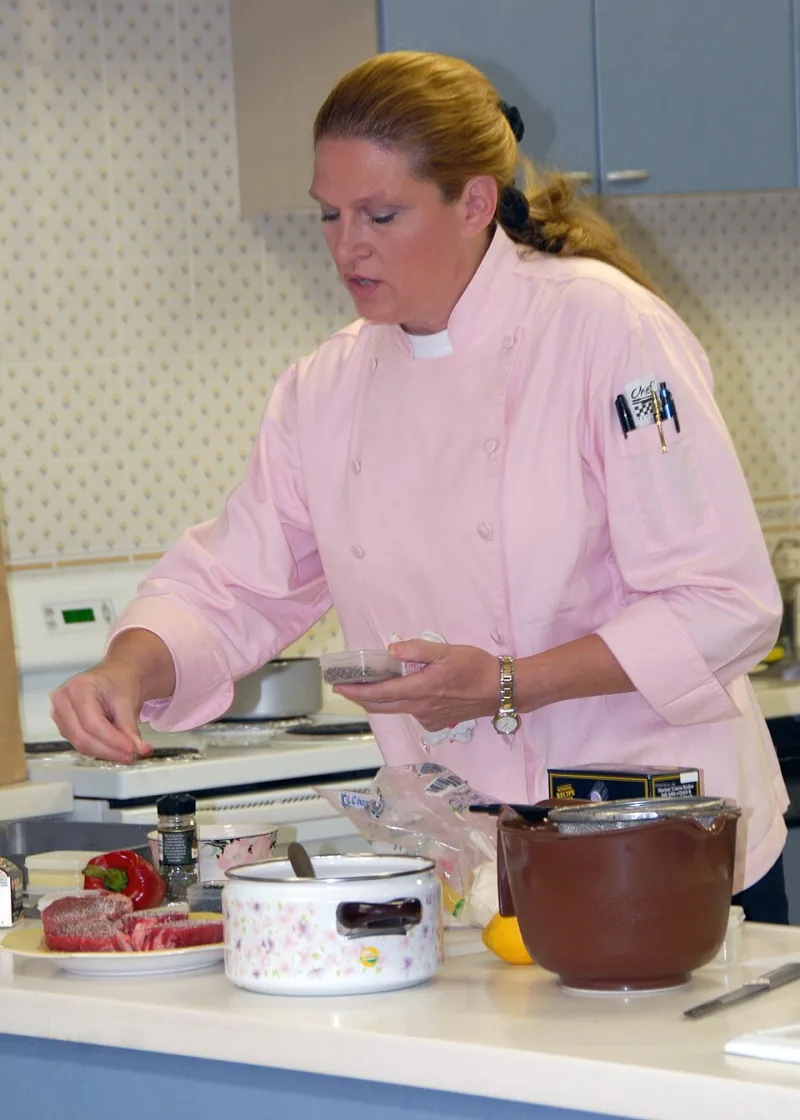
Photo: U.S. Navy photo by Mass Communication Specialist Seaman Michael Calloway, Public domain, via Wikimedia Commons
There's a moment every Indian pizza chef knows well. A customer takes their first bite, pauses, and their eyes go just slightly wide. The question is: is that wide-eyed look wonder or panic? Getting that reaction to land on the right side of the line is, depending on who you ask, either the most exciting part of the job or the most nerve-wracking.
Fusion cooking has always been a game of balance, but Indian pizza pushes that challenge to a whole new level. You're not just layering toppings — you're negotiating between two deeply opinionated culinary traditions, each with its own rules about flavor, heat, and what a finished dish is supposed to feel like in your mouth. Get it right, and you've created something genuinely transcendent. Get it wrong, and you've got a pizza that tastes like a dare.
The Identity Problem
Let's start with the obvious tension. Pizza, in its classic American form, is built around subtlety. Sauce, cheese, a handful of toppings — the flavors layer quietly, each one doing its part without screaming over the others. Indian cuisine, on the other hand, is unapologetically loud. Spices don't just season the food; they are the food. Cumin, coriander, turmeric, chili, cardamom — these aren't background notes. They're the whole song.
So when you try to merge the two, something has to give. The question is what.
"If you dial back the spices too much, you end up with something that doesn't really taste like Indian food," says one Chicago-based fusion chef who's been working the Indian pizza format for several years. "But if you go full throttle, the cheese just disappears. You lose that creamy, stretchy quality that makes pizza feel like pizza in the first place. You've basically just made a very flat curry."
That tension — between preserving identity and achieving harmony — is at the heart of every Indian pizza menu decision.
What the Science Actually Says
Here's where things get genuinely interesting. It turns out there's real chemistry happening inside a hot oven that affects how spices behave on a pizza.
Fat is a carrier for flavor compounds, which is why spices bloom so well in oil or ghee. When those same spices hit a pizza loaded with mozzarella, the fat in the cheese acts as a kind of amplifier. Mild seasoning can suddenly punch harder than expected once it's been baked into melted cheese at 500 degrees. Chefs who've spent years cooking Indian food on the stovetop often have to recalibrate entirely when they move into a pizza kitchen — the same amount of chili that would be pleasant in a sauté can become genuinely aggressive once it's trapped under a layer of bubbling dairy.
On the flip side, certain spices actually lose potency during high-heat baking. Delicate aromatics like fresh cilantro or green cardamom can essentially cook off in the oven, leaving a ghost of flavor behind. That's why many Indian pizza chefs use a two-stage approach: building a spiced base into the sauce or dough, then finishing the baked pie with fresh herbs and a drizzle of something bright — a tamarind glaze, a chili oil, a squeeze of lime — to bring the aroma back.
"The oven takes away and the finish gives back," as one Brooklyn-based chef puts it. "You have to think of it like a conversation that happens in two parts."
The Customer Complaint Files
For all the culinary theory, the feedback from actual diners is where the rubber meets the road — and it's pretty revealing.
The most common complaint from first-time Indian pizza customers? Not that it's too spicy. It's that the heat shows up at the wrong moment. A slow, creeping burn that builds three or four bites in can feel like a trick, especially for diners who took the first bite and thought they were in safe territory. American pizza eaters are used to knowing what they're getting upfront. When the heat is delayed and cumulative, it can feel overwhelming even at a spice level that would seem totally reasonable in a traditional Indian dish.
The second most common complaint is the opposite problem: a pizza that smells incredibly complex and aromatic but tastes flat. This usually happens when chefs over-correct after getting feedback about heat — they pull back on the spice, but they don't compensate with other flavor-building techniques like longer sauce reductions, fermented elements, or umami-rich ingredients. The result is a pizza that promises more than it delivers.
"Smell and taste have to match," explains a Los Angeles fusion chef who runs a popular Indian pizza pop-up. "If someone picks up the slice and their nose is getting all these incredible signals — cardamom, roasted cumin, charred onion — and then the actual flavor is just kind of... meh, that's almost worse than too much heat. You've built up expectations you can't cash."
Calibration Philosophies: How the Pros Do It
Different chefs have landed on very different frameworks for managing spice on a pizza, and it's fascinating how personal these approaches get.
Some swear by the "heat in the base, brightness on top" method — keeping the chili and warming spices buried in the sauce or the dough where they mellow during baking, then layering fresh, acidic, and aromatic elements after the pie comes out of the oven. Others prefer to keep the base relatively neutral and let the toppings carry all the flavor complexity, which gives diners more visual and textural cues about what they're about to taste.
There's also a growing camp of chefs who are leaning into regional specificity as a calibration tool. Instead of trying to represent "Indian spice" as a single concept — which is a bit like trying to represent "American food" as a single concept — they build menus around specific regional cuisines. A pizza inspired by Kerala's coastal cooking will use coconut, curry leaf, and black pepper in ways that feel very different from one inspired by Punjabi flavors built around cumin, coriander, and dried fenugreek. This approach also makes it easier to have honest conversations with customers about what heat level to expect.
"When I say this is a Chettinad-style pizza, that tells people something," one chef notes. "They either know what that means, or they ask. Either way, we're having a real conversation about flavor before the first bite."
Finding the Sweet Spot
Ultimately, the great spice debate doesn't have a single answer — and that's probably the point. The chefs who are doing this work at the highest level aren't chasing a formula. They're chasing a feeling: that moment when a diner takes a bite and all the competing elements — the cheese, the crust, the spice, the heat — resolve into something that makes complete sense.
It's not about toning Indian food down to fit American pizza expectations, and it's not about forcing pizza to become something it was never meant to be. It's about finding the version of both that makes each one better.
That's a harder target to hit than it sounds. But when you get there, the look on that customer's face tells you everything you need to know.