Goodbye Tomato, Hello Tikka Masala: The Creamy Sauce Revolution Rewriting Pizza as We Know It

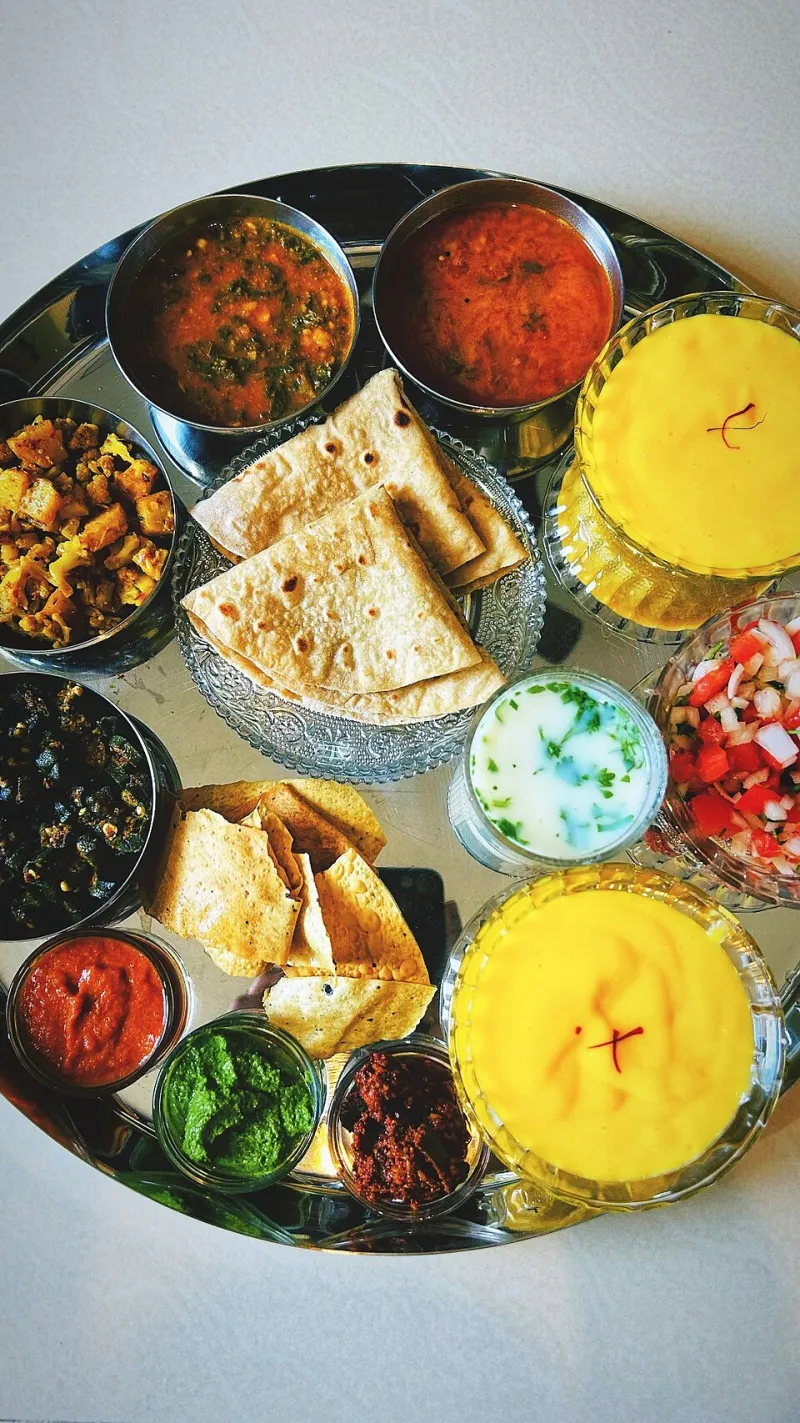
Photo by Photo by Sardar Faizan on Unsplash on Unsplash
There's a moment — somewhere between the first whiff of fenugreek and the satisfying pull of melted cheese — when you realize the pizza in front of you is playing by entirely different rules. No bright, acidic tomato base. No oregano-forward marinara. Instead, there's something deeper going on: a sauce that's silky, warm with spice, and carrying the kind of complexity that takes a traditional Italian pie weeks of practice to even approximate.
This is the creamy Indian sauce revolution, and it's happening in kitchens from New Jersey to Northern California.
The Problem With Tomato (According to Indian Pizza Chefs)
Ask any chef working at the intersection of Indian cuisine and pizza why they abandoned tomato sauce, and you'll get a surprisingly philosophical answer.
"Tomato is acidic. It fights with a lot of the spices we love to use," explains one chef who has been running an Indian-Italian fusion menu in the Chicago suburbs for the past three years. "When you put garam masala or a kashmiri chili paste on top of a tomato base, those flavors compete instead of cooperate. But a butter-based sauce? It carries spice. It amplifies it."
That's not just a culinary opinion — it's basic flavor chemistry. Fat-soluble compounds in spices like turmeric, cardamom, and cumin bind readily to butter and cream, allowing those flavors to bloom and distribute across the entire bite. Tomato's acidity, on the other hand, can actually suppress some of those aromatic compounds before they reach your palate.
The result is that swapping the base isn't just an aesthetic choice. It fundamentally changes how the pizza tastes from crust to cheese.
Butter Chicken as a Blueprint
If there's one sauce that has become the gateway drug for American diners discovering Indian pizza, it's the butter chicken base — or more precisely, a pizza-adapted version of the classic makhani gravy.
Traditional makhani sauce is built on tomatoes, butter, cream, and a careful blend of spices including coriander, cumin, and a touch of kashmiri chili for that distinctive orange-red color. For pizza applications, chefs are dialing back the tomato content significantly, leaning harder into the cream and butter elements to create something that behaves more like a béchamel than a marinara.
"I think of it as Italian technique with Indian soul," says a pizza chef based in the Bay Area who trained in both Naples and Mumbai before opening his own spot. "The French figured out that cream sauces carry flavor beautifully on pasta. We're just applying that same logic to pizza, but loading the sauce with spices that Italian cuisine never really explored."
The resulting base — rich, mildly spiced, and carrying just enough heat to let you know something interesting is happening — has become one of the most ordered items at several Indian pizza restaurants we spoke with. It pairs naturally with tandoori chicken, caramelized onions, and a blend of mozzarella and paneer, creating a slice that feels simultaneously familiar and completely new.
The Paneer Cream Sauce Contingent
Not every chef is working from the butter chicken playbook, though. A growing number of kitchens are experimenting with paneer-based cream sauces — essentially a shahi paneer gravy stripped down and restructured for pizza application.
Shahi paneer, for the uninitiated, is a Mughal-era dish built on a cashew and cream base, flavored with cardamom, saffron, and rose water. It's luxurious almost to the point of excess, which makes it a fascinating candidate for pizza adaptation.
"You have to edit it aggressively," admits one chef who spent months developing a paneer cream pizza base at her restaurant in Austin. "The original sauce is incredible, but it's too sweet and too subtle for pizza. We stripped out the rose water, boosted the cardamom, added a little black pepper for bite, and thickened it so it holds up under toppings. What you're left with is something that tastes like shahi paneer's confident, slightly edgier cousin."
Her pizza — topped with roasted mushrooms, pickled red onion, and a drizzle of green chutney — has developed something of a cult following among local food writers and the city's growing South Asian dining community.
Coconut Milk and the Southern India Factor
While North Indian cream-based sauces dominate the conversation, chefs drawing from South Indian culinary traditions are making a compelling case for coconut milk as the ultimate pizza base.
Coconut-based curries from Kerala, Tamil Nadu, and coastal Karnataka have a natural sweetness and subtle earthiness that behaves very differently from dairy cream on a pizza. They're lighter, slightly more acidic (thanks to tamarind or kokum in some preparations), and carry a floral quality that pairs surprisingly well with seafood toppings.
"A coconut-curry base with shrimp, curry leaves, and a little fresh green chili is genuinely one of the best things I've ever put on a pizza," says a chef in Houston whose restaurant leans heavily into South Indian flavor profiles. "It's not what people expect when they walk in. But it's what they remember when they leave."
The challenge with coconut milk bases, as several chefs noted, is managing moisture content. Coconut milk can make a crust soggy if it isn't properly reduced and stabilized before going into the oven — a problem that requires either a longer reduction process or the addition of a thickening agent like cashew paste.
Where Pizza Purists and Indian Traditionalists Both Get Uncomfortable
It would be dishonest to pretend this culinary experiment is universally beloved. There are Italian-American pizza loyalists who find the whole concept baffling, and there are Indian food purists who bristle at the idea of their grandmother's makhani recipe getting slapped onto a pizza crust.
Both reactions are understandable. And both, frankly, are beside the point.
Fusion cuisine has always operated in the space where traditions bump up against each other and something genuinely new emerges. The fact that a creamy, spiced Indian pizza sauce challenges expectations on two fronts simultaneously might actually be the best argument for its existence.
"I'm not trying to replace butter chicken," one chef told us with a laugh. "I'm not trying to replace pizza either. I'm trying to make something that didn't exist before. If it makes a few purists uncomfortable, that's usually a sign you're onto something."
What American Diners Are Actually Ordering
Sales data from the Indian pizza restaurants we spoke with tells a pretty clear story: creamy Indian bases consistently outperform tomato-based options when both are available on the menu. Butter chicken base pizzas routinely rank as top sellers. Coconut milk bases are gaining ground, particularly in cities with larger South Asian communities.
The demographic breakdown is also interesting. These sauces aren't just attracting South Asian diners looking for familiar flavors in a new format. They're pulling in adventurous eaters across age groups and backgrounds — the kind of diners who've already worked their way through Nashville hot chicken and Korean BBQ tacos and are ready for the next genuinely surprising flavor experience.
Which, when you think about it, is exactly the audience Indian pizza was always meant for.
The tomato sauce isn't going anywhere. But in the kitchens where Indian cuisine and pizza are learning to coexist, it's no longer the only option — or even the most interesting one.