Uncorked and Unexpected: How Indian Pizza Is Rewriting the Wine Pairing Playbook
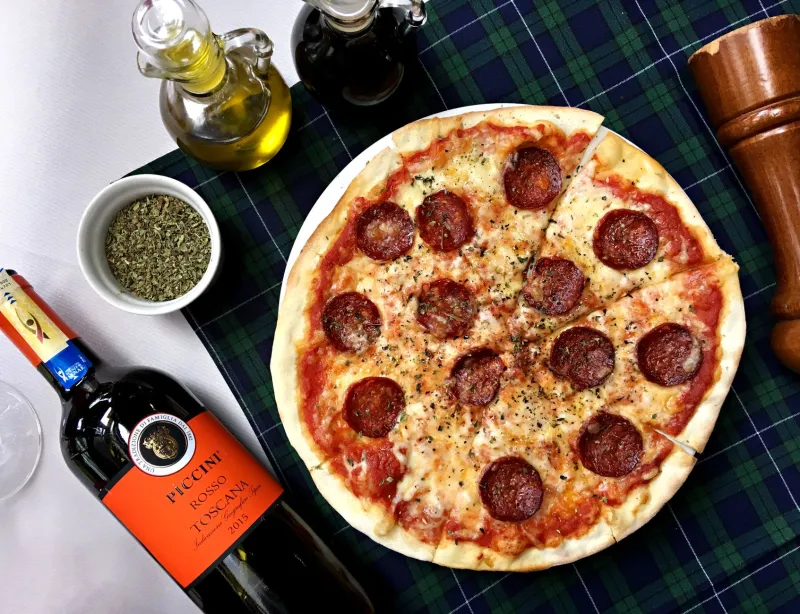
Walk into any upscale wine bar in New York, Chicago, or Los Angeles and ask the sommelier what to pair with a saag paneer pizza. Odds are good you'll get a long pause, a polite smile, and maybe a safe suggestion of something off-dry and inoffensive. That's not a knock on sommeliers — it's just that the entire canon of Western wine pairing logic was built around European food traditions. Indian cuisine, with its layered heat, acidic tamarind pulls, and fat-rich dairy sauces, was never part of the curriculum.
But something is shifting. As Indian pizza carves out serious real estate on American menus, a new generation of food-and-wine thinkers is sitting down at the table — literally — and working through the paradox one slice at a time.
Why the Old Rules Don't Apply
Classic wine pairing wisdom leans on a few reliable principles: acid cuts fat, tannins complement protein, sweetness tames heat. Simple enough when you're matching a Cabernet with a ribeye. But Indian pizza throws multiple variables at you simultaneously. A single slice of lamb keema pizza might carry smokiness from the tandoor-charred crust, heat from green chilies, brightness from fresh cilantro, richness from ghee-cooked meat, and a whisper of warming spice from cloves and cardamom — all at once.
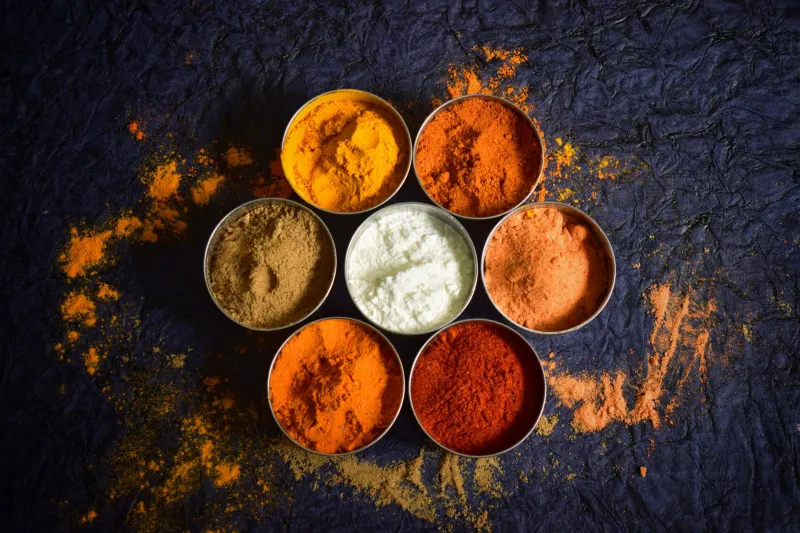
That complexity is exactly what makes standard pairing charts useless here. "Most guides tell you to pair spicy food with something sweet or low-alcohol," says one wine director who has been working with Indian fusion restaurants in the Bay Area. "But Indian spice isn't just heat. It's aromatic, layered, and sometimes bitter. You need a wine that can meet it without getting bulldozed."
The result is that many Indian pizza restaurants defaulted to beer — a fine choice, but one that left an entire world of wine on the table.
The Pairings Nobody Saw Coming
So what actually works? The answers are less obvious than you'd expect, and honestly, more interesting.
Grüner Veltliner with Chaat-Topped Pizza This Austrian white has been quietly earning fans in the US wine scene for years, and it turns out to be a near-perfect companion for chaat-inspired pizza toppings. The grape's signature white pepper note mirrors the spice in chaat masala without competing with it, while its sharp acidity cuts through the richness of tamarind chutney and yogurt drizzle. It's a pairing that feels almost engineered, yet nobody in traditional wine culture was connecting these dots.
Chenin Blanc with Paneer and Tikka Masala Sauce Off-dry Chenin Blanc — particularly from the Loire Valley or South Africa — has a honeyed weight that complements the creamy, tomato-forward depth of tikka masala sauce. The wine's natural acidity keeps things lively, while its slight sweetness softens the heat of Kashmiri chili. It's the kind of pairing that makes a table go quiet for a second before someone says, "Wait, that actually works."
Côtes du Rhône Blanc with Saag and Roasted Garlic Crust Blends built on Grenache Blanc and Roussanne bring a floral, slightly herbal quality that plays beautifully against the earthy iron of spinach and the nutty richness of a ghee-brushed crust. This isn't a wine most American diners reach for instinctively, but it's becoming a quiet favorite at Indian pizza restaurants willing to push the conversation.
Lambrusco with Spicy Chole Pizza Here's where things get genuinely fun. Lambrusco — the fizzy, slightly tannic red from Emilia-Romagna — was dismissed for decades as cheap party wine before making a serious comeback. Its effervescence and low tannin structure make it surprisingly agile against the bold, smoky heat of a chickpea-and-spice pizza. The bubbles lift the palate between bites, and the wine's fruity edge keeps the heat from building into something overwhelming.
What Sommeliers Are Actually Learning
The chefs and wine professionals working through these combinations aren't just guessing. Several Indian pizza restaurants have started hosting staff training sessions that treat Indian spice as a flavor map rather than a hazard to be neutralized. The idea is to identify the dominant flavor force on each pizza — is it acidic, fatty, bitter, aromatic, or heat-forward? — and then find a wine that either mirrors or strategically contrasts that force.
It sounds like a lot of work because it is. But the payoff is a dining experience that feels genuinely cohesive rather than accidentally assembled. Guests notice. "When a server can explain why a specific wine works with a specific pizza, it changes the whole meal," notes one front-of-house manager at an Indian fusion restaurant in Austin. "People stop treating the wine list as an afterthought."
The Bigger Picture
What's happening at Indian pizza restaurants across the US is part of a broader reckoning in American wine culture. For a long time, the implicit assumption was that wine belonged to European food traditions and that cuisines from South Asia, East Asia, or Latin America were better suited to beer, spirits, or non-alcoholic pairings. That assumption is crumbling.
Indian pizza, by its very nature, is a category-defying format. It already refuses to sit neatly inside either the Indian restaurant box or the American pizza box. So it makes sense that its beverage pairings would push past conventional boundaries too. The fusion on the plate is inviting a parallel fusion in the glass.
And there's something genuinely exciting about that. Wine culture in the US has been expanding steadily — orange wines, natural wines, obscure Eastern European varietals — and Indian pizza is giving curious drinkers one more reason to explore beyond the familiar.
Where to Start at Home
You don't need a sommelier certification to start experimenting. If you're building an Indian pizza night at home, here's a quick starting point:
- Spice-forward pizzas (anything with garam masala, chili, or pepper-heavy toppings): Look for off-dry whites like Gewürztraminer or Riesling, or try a Lambrusco if you want to go red.
- Creamy sauce bases (tikka masala, makhani, korma-style): Chenin Blanc or a white Côtes du Rhône will serve you well.
- Vegetable-heavy or herb-forward slices (saag, chutney-drizzled, fresh herb toppings): Grüner Veltliner or a crisp Vermentino.
- Rich, meat-topped pizzas (lamb keema, chicken tikka): A medium-bodied Syrah or a Grenache-based red can hold its own without overpowering.
The point isn't to follow rules — it's to stay curious. Indian pizza already proved that two traditions can share a plate without either one losing its identity. Wine is just the next conversation waiting to happen.