Sourced from the Source: How Chefs Are Tracing Indian Pizza Ingredients Back to Their Rivers
There's a question most pizza restaurants never ask: where, exactly, did this ingredient grow?
For a lot of kitchens, the answer is somewhere vague — a distributor, a warehouse, a generic "imported" label on a bulk bag. But a new generation of Indian pizza chefs operating across the US is asking that question loudly, and demanding a real answer. Their framework? India's five great river systems — the Indus, the Ganges, the Brahmaputra, the Godavari, and the Krishna — each representing a distinct agricultural zone with its own soil chemistry, growing conditions, and flavor fingerprint.
This isn't just poetic branding. It's becoming a genuine sourcing philosophy, and it's quietly reshaping what ends up on your plate.
Why Rivers? Why Now?
The five rivers concept has always been part of the identity here at Five Rivers Indian Cuisine Pizza — it's baked into our name, our menu philosophy, and the way we think about ingredients. But what's interesting is watching independent chefs and restaurant operators across the country arrive at similar conclusions independently.
Part of it is the broader farm-to-table movement, which has trained American diners to care about provenance. If you're already asking your server whether the arugula is local, it's not a huge leap to wonder whether the fenugreek on your pizza came from Rajasthan or a generic spice blend with no clear origin.
Part of it is also a response to the homogenization problem. As Indian pizza has gotten more popular — and it has gotten significantly more popular over the last five years — the risk of everything tasting the same has grown. When every restaurant pulls from the same distributors, you get the same spice blends, the same paneer, the same chutneys. The watershed sourcing model is, among other things, a defense against that flattening.
What "Watershed Sourcing" Actually Means
In practical terms, watershed sourcing means tracing a specific ingredient back to the agricultural region where it was grown, and then building a supply relationship — however direct or indirect — that preserves that regional identity.
Take mustard oil. Mustard cultivated in the Gangetic plains of Bihar and West Bengal has a distinctly sharp, almost horseradish-adjacent pungency that mustard from other regions doesn't quite replicate. Chefs who've worked with both will tell you the difference is immediately noticeable in a finished dish. For a pizza base or a drizzle finishing oil, that specificity matters.
Or consider tamarind. The Godavari and Krishna river deltas in Andhra Pradesh and Telangana produce tamarind with a particular sweet-sour balance — more complex than the flat acidity you get from commodity tamarind paste. Chefs building a tangy pizza sauce around that ingredient need the real thing, not a substitute, to hit the flavor profile they're after.
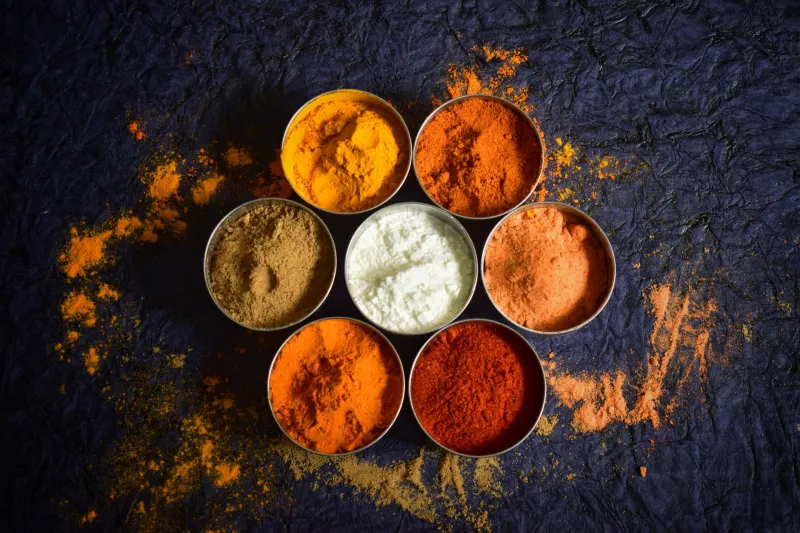
The same logic applies to rice flour (used in certain dough blends), coconut products from Kerala's coastal regions near the Periyar, dried chilies from Guntur, and even the specific varieties of lentils used in dal-inspired pizza toppings.
Restaurants Doing It Right
Across major US metro areas, a handful of spots are doing this particularly well.
In the Bay Area, where the Indian-American dining scene has long been sophisticated, several restaurants have started listing ingredient origins on their menus the same way wine lists note appellations. It sounds fussy on paper, but in practice it gives diners a genuine sense of what they're eating and why it tastes the way it does.
In Chicago, a restaurant collective focused on regional Indian cooking has taken the sourcing model a step further, partnering with Indian-American import businesses to maintain more direct relationships with specific farms and cooperatives. The result is a supply chain that's still complex — we're talking about ingredients traveling across an ocean — but one that has accountability built in at multiple points.
In New York, the approach has been more informal but no less intentional: chefs who grew up in specific regions of India are simply cooking with the ingredients they know from home, sourcing them through community networks and specialty grocers rather than mainstream food service distributors. The authenticity is personal rather than institutional, but the outcome is similar — a pizza that tastes like it came from somewhere.
The Business Case (Yes, There Is One)
Watershed sourcing isn't cheap. Specialty ingredients from specific regions cost more than generic equivalents. Supply chains are more complicated to manage. Menus require more explanation. Staff need to actually understand what they're serving.
So why are restaurants doing it?
The short answer is that American diners — particularly younger ones — are increasingly willing to pay a premium for food that has a story. Not a marketing story, but a real one. A pizza that uses fenugreek from a specific growing region in Gujarat isn't just a novelty; it's a product with traceable value, and restaurants that can communicate that value effectively are finding loyal, engaged customer bases.
There's also a consistency argument. One of the challenges in fusion cooking is that small ingredient variations can throw off a dish dramatically. When you're working with a sauce or spice blend that depends on specific flavor profiles, sourcing consistency matters enormously. Restaurants that have locked in regional supply relationships report fewer batch-to-batch variations in finished dishes — which, from a quality control standpoint, is worth the extra complexity.
What This Means for the Future of Indian Pizza
If the watershed sourcing model continues to spread — and the early signs suggest it will — the long-term effect on Indian pizza in the US could be significant.
First, it creates natural differentiation. In a category that's growing fast, restaurants that can point to genuine geographic specificity in their ingredients have something real to distinguish themselves with. That's not nothing in a crowded market.
Second, it deepens the connection between Indian culinary tradition and American dining culture. When a pizza in Houston or Seattle is built around ingredients that trace back to the Brahmaputra valley or the Deccan plateau, it's not just fusion for fusion's sake — it's a genuine cultural bridge, built one supply chain at a time.
And third, it raises the floor on quality. When chefs start asking harder questions about where ingredients come from, the whole category gets better. That's good for everyone — the restaurants, the farmers, the importers, and especially the diners.
At Five Rivers, this is the philosophy we've been working from since the beginning. The five rivers aren't just a name. They're a map — and the more chefs across the country start using that map, the more interesting the destination gets.