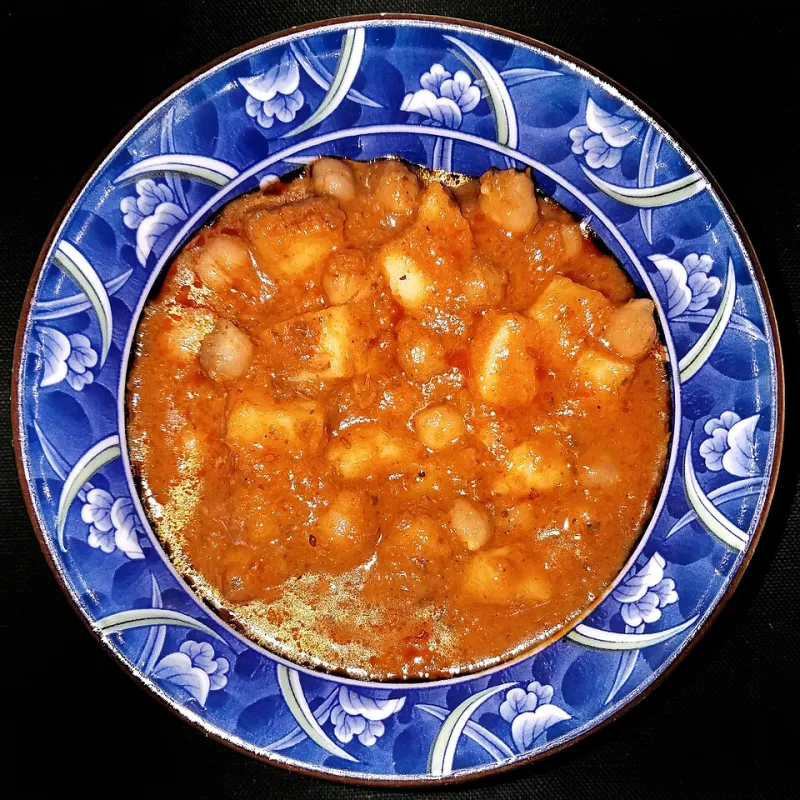
Why Your Kitchen Is the Next Great Indian Pizza Lab
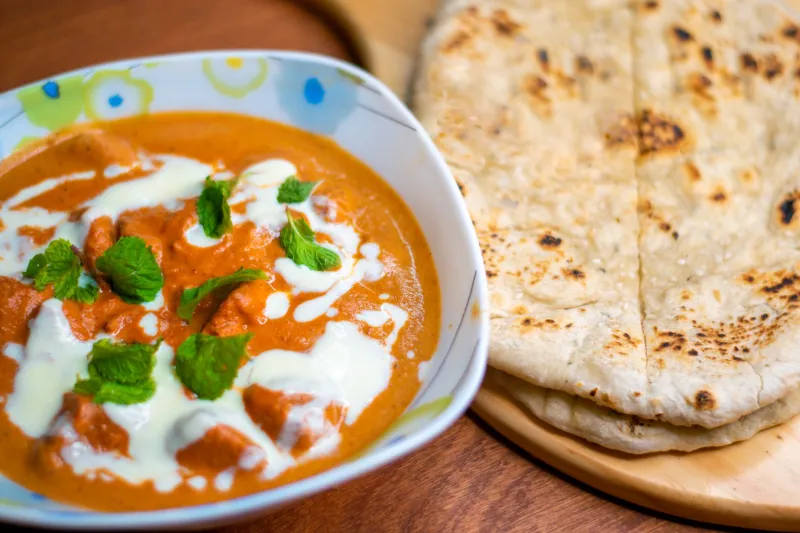
Something interesting is happening in American kitchens right now. People are pulling out their cast iron pans, ordering whole spices online, and attempting something that would have seemed pretty niche just five years ago: making Indian-inspired fusion pizza entirely from scratch. No delivery app. No restaurant. Just a home cook, a hot oven, and a serious craving for something that tastes like tikka masala and pizza had a very satisfying argument.
The numbers back this up. Google Trends data shows consistent year-over-year growth in searches for terms like "naan pizza recipe," "Indian spiced pizza dough," and "paneer pizza at home." Home cooking forums and subreddits dedicated to fusion cuisine have seen Indian pizza threads explode in engagement. And culinary instructors across the country are reporting that Indian-Italian fusion has quietly become one of their most requested workshop topics.
So what's driving this? And more importantly, how do you actually build a home kitchen capable of doing it justice?
The Pantry Shift That Started Everything
For a lot of home cooks, the gateway was embarrassingly simple: a leftover piece of naan and some tikka masala from a jar. "I literally just spread the sauce on the naan, threw some mozzarella on top, and put it under the broiler," says Priya Menon, a home cook based in Austin, Texas, who now runs a small Instagram account dedicated to her Indian pizza experiments. "It tasted incredible. I was kind of shocked that nobody had told me this was a thing."
That accidental discovery mirrors what a lot of people describe as their entry point. The fusion isn't intimidating when you realize the core components — a bread base, a flavorful sauce, toppings, and heat — are exactly the same whether you're making a Margherita or a saag paneer slice. The Indian pantry just happens to offer a wildly different set of tools for each of those components.
Culinary instructor Dana Krishnamurthy, who teaches fusion cooking workshops in Chicago, says the key mental shift is treating Indian spices as a flavor layer rather than a replacement. "A lot of my students come in thinking they need to completely reinvent pizza," she explains. "But the structure is the same. Once they realize they're just swapping ingredients within a familiar framework, everything clicks."
Essential Equipment: What Actually Matters
You don't need a tandoor in your backyard to make great Indian pizza at home. You do, however, need a few pieces of equipment that will make a genuine difference.
A pizza stone or baking steel is probably the single most important upgrade you can make. Indian-inspired pizzas — especially those built on spiced doughs or thicker naan-style bases — benefit enormously from bottom-up radiant heat. The stone mimics the floor of a tandoor in a modest but meaningful way, giving you that crisp undercarriage even in a standard home oven.
A cast iron tawa is the Indian kitchen tool that translates most naturally to pizza-making. Traditionally used for flatbreads, a heavy tawa on a high burner can function as a stovetop pizza pan, giving you char and crunch on the bottom while you finish the top under the broiler. It's a two-step method that many home cooks swear by for getting restaurant-quality results.
A spice grinder — even a basic blade grinder dedicated to spices — opens up a completely different flavor universe. Pre-ground spices are fine, but freshly ground cumin, coriander, and cardamom have an aromatic intensity that store-bought blends simply can't match. If you're serious about building depth into your sauces and doughs, this is a worthwhile investment.
Sourcing Ingredients Without the Runaround
One of the biggest barriers new home cooks mention is ingredient sourcing. Where do you find good paneer? What about fresh curry leaves, or whole dried Kashmiri chilies for that deep red sauce color?
The honest answer is that it depends on where you live, but the options have never been better. Indian grocery stores — which exist in virtually every mid-to-large US city — carry everything you'd need and then some. Stores like Patel Brothers, which has locations across the country, stock fresh paneer, a wide range of flours including atta (whole wheat) and besan (chickpea), and an overwhelming spice selection that will make your local supermarket's spice aisle look like a sad afterthought.
For those in smaller markets, online retailers have stepped up significantly. Sites like iShopIndian and Diaspora Co. (which has developed a cult following for its single-origin spices) ship nationally and offer quality that rivals what you'd find in a specialty store. Diaspora Co.'s turmeric and Guntur chili powder in particular have become something of a calling card among fusion food enthusiasts.
Paneer, if you can't find it locally, is also surprisingly easy to make at home. It's whole milk and an acid — lemon juice or white vinegar — and about thirty minutes of your time. The homemade version has a fresher, milkier flavor that holds up beautifully on a hot pizza.
Technique Tips That Actually Transfer
If you've already made traditional pizza at home, you're further ahead than you think. The core skills — dough hydration, sauce balance, topping restraint, oven management — apply directly. What changes is the flavor vocabulary.
For the dough, try substituting 20 to 30 percent of your all-purpose flour with atta. The whole wheat adds a slightly nutty, earthy quality that pairs beautifully with spiced toppings. Some home bakers go further and incorporate ajwain (carom seeds) or nigella seeds directly into the dough for an extra layer of flavor that perfumes the whole crust as it bakes.
For sauces, the tikka masala base is the obvious starting point, but don't overlook saag (spiced spinach), a tamarind-spiked tomato base, or a simple coconut milk and green chili sauce for something lighter and brighter. The key is building the sauce with enough body that it doesn't make your crust soggy — something that requires slightly longer cooking than a standard marinara.
For toppings, restraint matters. Indian flavors are bold, and overloading a pizza with competing spiced elements turns into muddy chaos quickly. Pick a lane — a single protein like tandoori chicken or spiced lamb keema, a clean vegetable element, and a cheese that doesn't fight the spices — and let those components do the work.
The Community Building Around It
What's especially interesting about the home Indian pizza movement is how communal it's become. Cooking clubs, pop-up supper clubs, and informal "pizza nights" centered on Indian fusion have become a social touchstone in cities like Houston, Seattle, and New York. Home cooks share their experiments online, trade sourcing tips, and iterate on each other's techniques in ways that feel genuinely collaborative.
"There's something about this particular fusion that invites experimentation," says Dana Krishnamurthy. "The rules feel loose enough that people aren't afraid to try things. And when something works — when you nail that charred naan crust with a smoky makhani sauce and fresh paneer — it feels like you discovered something."
That feeling, it turns out, is a pretty powerful reason to skip the delivery app and fire up your oven instead.