Rain-Driven and Delicious: How India's Monsoon Calendar Should Be Running Your Pizza Menu
Here's something most American pizza lovers have never considered: the best time to eat certain Indian-inspired toppings isn't just about what's in season at your local farmers market. It's about what the sky is doing over the Ganges plain, the Deccan plateau, and the backwaters of Kerala. India's monsoon system — a force so massive it shapes the diets of over a billion people — creates a ripple effect that eventually reaches your pizza stone, if you know how to follow it.
The concept of eating with the rain rather than against it isn't poetic fluff. It's practical, flavor-forward logic that Indian home cooks and chefs have followed for generations. And for anyone building an Indian pizza menu — whether you're running a restaurant or just experimenting on a Friday night — syncing up with those seasonal rhythms can make the difference between a good slice and a genuinely memorable one.
Why Monsoon Timing Actually Matters for Flavor
The monsoon doesn't arrive everywhere in India at once. It rolls in from the southwest coast around June, pushes northeast through July and August, and retreats by October. Each of India's five major river basins — the Indus, Ganges, Brahmaputra, Godavari, and Krishna — sits in a slightly different relationship with this annual rainfall cycle. That staggered timing means ingredients don't all peak together. They take turns.
When a crop gets exactly the rainfall it needs at exactly the right growth stage, something changes in its flavor. Concentration increases. Sweetness deepens. Aromatics sharpen. The same ingredient grown out of season or in artificially irrigated conditions just doesn't hit the same way. Indian cooks have always known this. The question is whether the American pizza world is ready to pay attention.
The Ganges Basin: Late Summer Is Mustard and Green Season
The Ganges plain — stretching across Uttar Pradesh, Bihar, and West Bengal — gets drenched from roughly July through September. What follows in the post-monsoon window is a surge of leafy greens, mustard plants, and fresh legumes that define North Indian cooking from October onward.
For Indian pizza, this is the window for saag-based sauces. Pureed mustard greens or spinach, finished with a touch of ghee and ginger, make an extraordinary alternative to tomato sauce. Layer that with paneer, a scattering of roasted garlic, and a light hand with chili, and you've got a pizza that's genuinely rooted in what the Ganges basin is producing right now. Late fall and early winter are when these flavors are at their most vivid. Don't wait for spring to try it.
The Krishna and Godavari Basins: Monsoon Brings the Heat (and the Tamarind)
In peninsular India, the Krishna and Godavari rivers drain much of Andhra Pradesh and Telangana — regions famous for some of the most aggressively spiced cooking on the subcontinent. These basins receive heavy rainfall from June through October, and the ingredient that thrives in the post-rain warmth is tamarind.
Fresh tamarind pods, harvested after the rains, carry a brightness that dried or processed versions simply can't replicate. When reduced into a concentrate and blended with roasted tomatoes, it creates a pizza sauce with a sweet-sour-smoky depth that'll make your guests ask what you did differently. Pair it with slow-cooked lamb, curry leaf oil, and a crumble of fresh coconut, and you're working with a flavor profile that's completely aligned with what the land is actually offering in the October-to-December window.
The Brahmaputra Basin: The Forgotten Ferment Season
Northeast India doesn't get nearly enough credit in conversations about Indian cuisine, and the Brahmaputra basin — running through Assam and into Arunachal Pradesh — is wildly underrepresented on fusion menus. The region gets some of the heaviest rainfall in the world, and that moisture feeds a culinary tradition built around fermentation, smoked meats, and intensely aromatic herbs.
The post-monsoon season here is when fermented bamboo shoots reach their peak flavor and smoked pork preparations are at their most complex. For Indian pizza, this opens a genuinely different door. Imagine a thin, slightly charred crust topped with a fermented bamboo and tomato base, smoked pulled pork, a handful of fresh cilantro, and a drizzle of ghost pepper oil. It's not a combination you'll find anywhere else, and it's directly tied to what the Brahmaputra basin produces when the rains finally ease up in October.
The Indus Region: Winter Is the Pizza Sweet Spot
The Indus basin, covering parts of Punjab and stretching into northwestern India, operates on a different agricultural calendar than the monsoon-heavy south and east. Winter crops — wheat, chickpeas, root vegetables — are the stars here, planted after the monsoon retreats and harvested in spring.
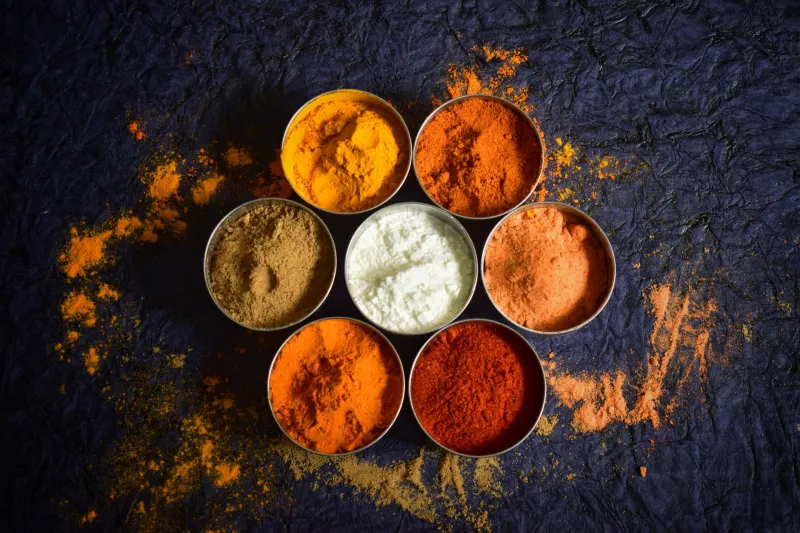
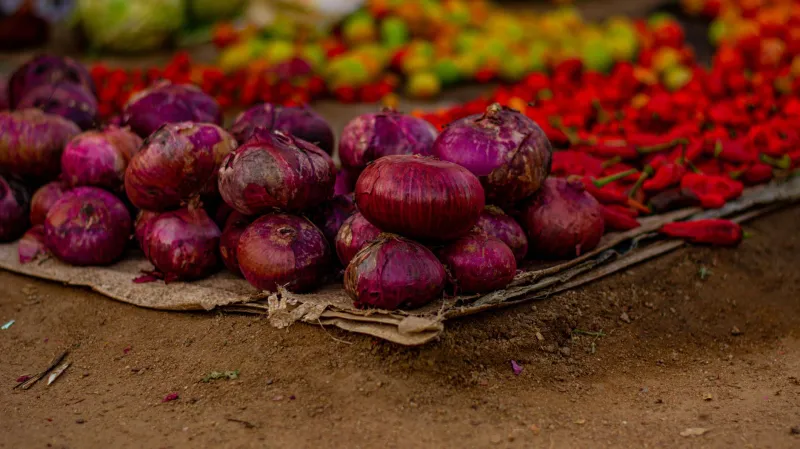
This makes January through March the ideal window for Indus-inspired Indian pizza. Think slow-roasted beets and caramelized onions over a chickpea flour crust (besan adds a nutty depth that regular pizza dough can't touch), finished with a yogurt drizzle and a pinch of amchur — dried mango powder — for brightness. It's a cold-weather pizza in the best sense: hearty, grounding, and completely in sync with what Punjab's fields are actually producing.
How to Use This at Home (or on Your Menu)
You don't need to become an agricultural meteorologist to apply any of this. The basic framework is simple: pay attention to when Indian ingredients are at peak availability in the US, which usually lags about one to two months behind Indian harvest timing due to import and distribution cycles.
A few practical anchors:
- Late summer (August–September): Fresh fenugreek leaves, green chilis, and young eggplant are your friends. Build around them.
- Fall (October–November): Tamarind, mustard greens, and winter squash align beautifully with North and South Indian flavor profiles.
- Winter (December–February): Chickpeas, root vegetables, and dried spice blends take center stage. Heavier, warming pizzas belong here.
- Spring (March–May): Raw mango, fresh herbs, and lighter chutneys signal a seasonal shift toward brighter, more acidic profiles.
The goal isn't rigid adherence — it's using seasonal availability as a creative constraint. Some of the best dishes in any cuisine come from working within limits rather than ignoring them.
The Bigger Picture
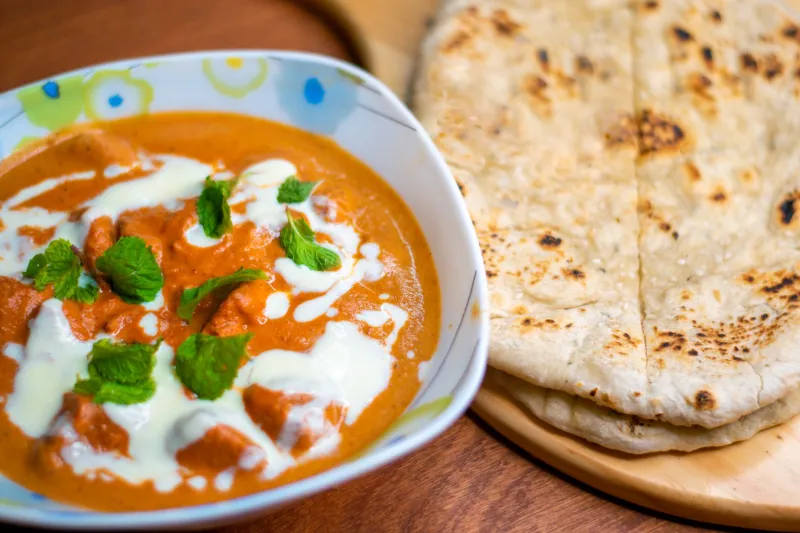
Eating with the monsoon is ultimately about respect — for the land, for the ingredient, and for the culinary traditions that figured all of this out centuries before anyone was putting tikka masala on a pizza crust. When you build a menu around what's actually thriving in a given season, the flavors take care of themselves.
At Five Rivers Indian Cuisine Pizza, that seasonal attunement isn't a marketing angle. It's the whole point. The five rivers that inspire this concept don't flow on a fixed schedule — they respond to rain, to soil, to temperature. Your pizza menu should do the same.