What to Drink With Your Indian Pizza: A No-Nonsense Guide to Pairings That Actually Work
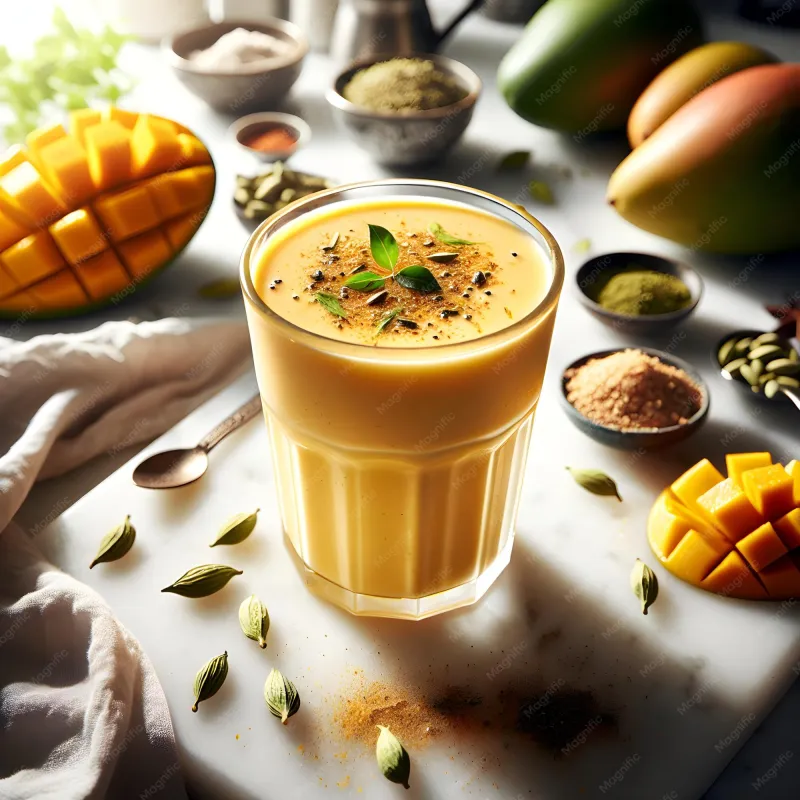
Photo: mango lassi cardamom cocktail masala chai drinks Indian restaurant table, via img.freepik.com
Let's be honest. Most of us don't spend a lot of time thinking about what we drink with pizza. Beer, soda, maybe a glass of red wine if we're feeling civilized — that's usually as far as it goes. Pizza is casual food, and the drink is almost an afterthought.
But here's the thing: when you're eating a pizza built around tamarind sauce, tandoori-spiced chicken, garam masala-dusted paneer, or a chutney drizzle that carries real heat and acidity, the standard playbook doesn't quite hold up. The flavors are more complex, more layered, and frankly more demanding. They deserve a drink that can keep up.
This is the conversation happening right now among the chefs, mixologists, and serious food people building out the Indian pizza scene in America — and it's a lot more interesting than you might expect.
Why Indian Pizza Changes the Pairing Game
Traditional pizza pairing wisdom exists for a reason. A cold lager cuts through fatty mozzarella. A medium-bodied Italian red complements tomato-based sauce. Sparkling water cleanses the palate between bites. These rules work because classic pizza has a relatively predictable flavor profile — rich, savory, slightly acidic, with a starchy crust backdrop.
Indian pizza introduces variables that those rules weren't designed to handle. Spice heat, for one. Not just the mild warmth of black pepper, but the building, complex heat of chili and cumin and coriander. Tamarind's deep, almost molasses-like sourness. The floral, aromatic intensity of cardamom or fenugreek. The cooling, tangy character of yogurt-based sauces.
Each of these elements calls for a different response from whatever's in your glass. Some need cooling. Some need contrast. Some need a flavor that echoes and amplifies. Getting it right is genuinely satisfying — and getting it wrong can flatten an otherwise excellent meal.
The Case for Lassi
If there's one drink that feels almost engineered to pair with spiced Indian pizza, it's lassi. The yogurt-based beverage — blended smooth, typically slightly sweet or salted, sometimes fruit-forward — does something no other drink in the lineup can do: it physically coats the palate with a layer of cool, creamy dairy that moderates chili heat without eliminating it.
Mango lassi is the most widely available version in the US, and it's a reliable choice with tandoori-spiced toppings. The sweetness of ripe mango softens the heat while adding a tropical brightness that plays well against smoky chicken or charred vegetables. But don't sleep on salted lassi — a simple, slightly tangy version — when you're eating a pizza with a yogurt-based white sauce. The mirrored flavors create a cohesion that feels almost architectural.
Rose lassi, which you'll find at better Indian restaurants, is an underrated pairing for more delicately spiced vegetarian pies. The floral note from rose water bridges the gap between the sweetness of paneer and the earthiness of spinach or peas in a way that's genuinely lovely.
Masala Chai: The Unexpected Pizza Companion
This one surprises people, but hear it out. A well-made masala chai — brewed strong, with whole spices, good black tea, and just enough sweetness — is a remarkable companion to Indian pizza, particularly in cooler months or for afternoon slices.
The science here is pretty straightforward. Tannins in black tea work similarly to tannins in wine: they bind with proteins and fats, effectively cleansing the palate after each bite. The spice blend in chai — cinnamon, cardamom, ginger, clove — creates a harmonic resonance with the garam masala and other warm spices on the pizza. You're not fighting for flavor dominance; you're building on a shared spice vocabulary.
Several Indian pizza spots around the country are now offering masala chai lattes as a full pairing option alongside their pies, and the response has been enthusiastic. It's an unusual move for a pizza restaurant, but it makes complete sense once you try it.
The key is quality. Watery, bag-steeped chai won't do the job. You need the real thing — a proper stovetop brew or a thoughtfully made café version with whole spices.
Cocktails: Where It Gets Really Interesting
The mixology conversation around Indian pizza is still young, but some genuinely creative ideas are already circulating.
Cardamom gin and tonic has become something of a signature pairing at Indian fusion spots. Cardamom-infused gin — either a commercial version or house-infused — carries the floral, slightly citrusy character of the spice in a way that works beautifully against the richness of a cheese-heavy pizza. The tonic's bitterness keeps things from going too sweet, and the whole thing feels refreshing without being bland.
Tamarind margarita is a bolder choice, but one that holds up surprisingly well against pizzas with heat. The sour, complex character of tamarind mirrors the tartness of tomato in a classic margarita setup, while the tequila's earthiness stands up to assertive toppings like spiced lamb or roasted cauliflower with chili.
Nimbu pani — Indian lemonade — in its simplest form is just lemon, water, sugar, and a pinch of black salt and cumin. It's one of the most refreshing drinks on earth, and the black salt adds a savory, sulfurous depth that's oddly perfect alongside a salty, umami-rich pizza. Several restaurants are now offering a sparkling version as a non-alcoholic pairing option.
Thandai, a milk-based drink traditionally made with nuts, seeds, and spices including rose petals and fennel, is an emerging option at higher-end Indian pizza concepts. It's rich, slightly sweet, and cooling — ideal with very spicy pies where you need something substantial to temper the heat.
What to Avoid (And Why)
A couple of common choices don't work as well as people expect. Heavily hopped IPAs, which are often recommended with spicy food, can actually amplify heat rather than cool it — the bitterness of hops interacts with capsaicin in a way that intensifies the burn. Light lagers are a safer beer choice if you want to stick with beer.
Very dry, high-tannin red wines tend to clash with the acidity and sweetness in Indian-style sauces. If you want wine, look for something fruit-forward and medium-bodied — a Grenache or a lighter Zinfandel can work well with certain topping combinations.
And overly sweet sodas — think standard cola — tend to flatten the complexity of spiced toppings rather than complement them. If you want a sweet, fizzy option, a tamarind soda or a spiced ginger beer is a more interesting choice.
The Bigger Point
Drinks are part of the meal. That's a principle that's well understood in wine culture, in craft beer circles, in the cocktail bar world — but it hasn't always translated to pizza. Indian pizza, with its depth of flavor and layered spice, is a natural occasion to rethink that.
At Five Rivers, we believe the slice and the sip should be in conversation with each other. Get that relationship right, and the whole meal becomes more than the sum of its parts. Start with a mango lassi, move to a cardamom gin and tonic, finish with a cup of masala chai — and see if you ever go back to defaulting to whatever soda is closest.