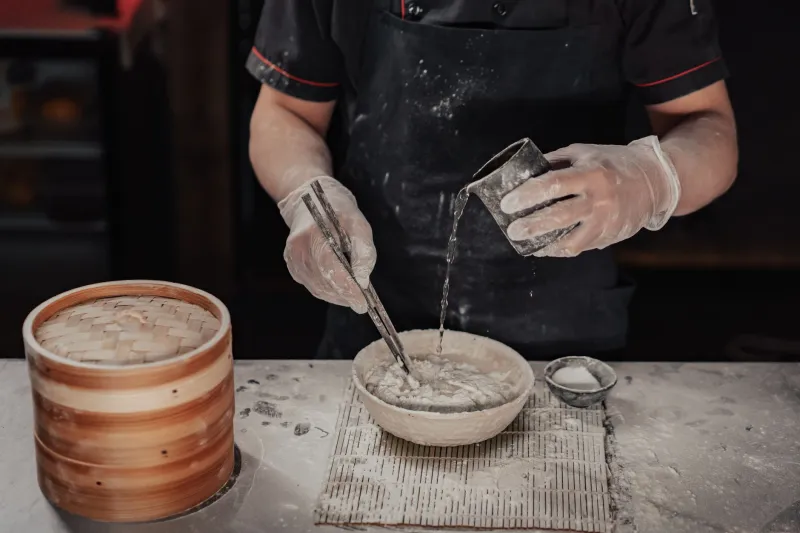
Funk, Ferment, and Flavor: How Ancient Indian Preservation Techniques Are Rewriting the Pizza Topping Playbook
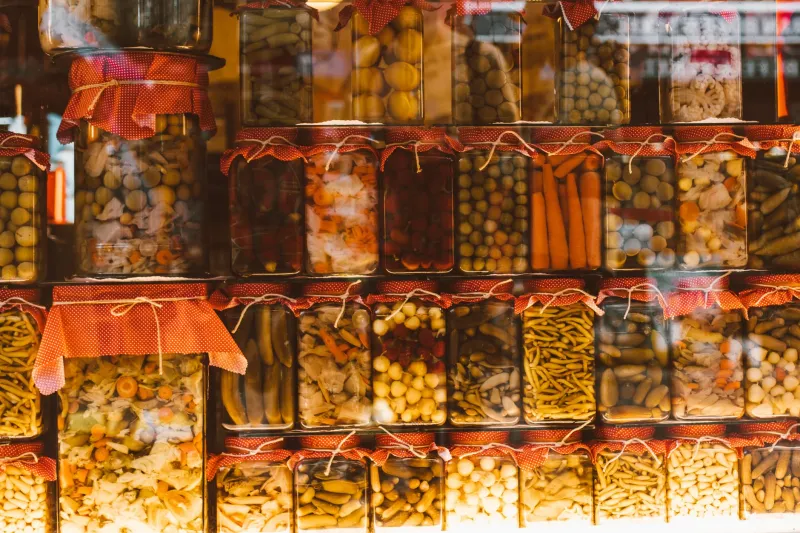
Funk, Ferment, and Flavor: How Ancient Indian Preservation Techniques Are Rewriting the Pizza Topping Topping Playbook
There's a quiet revolution happening in pizzerias from Portland to Philadelphia, and it doesn't involve a new cheese blend or a trendy crust style. It smells funkier than that. It tastes deeper. And it's been sitting in clay pots and ceramic jars across the Indian subcontinent for centuries, just waiting for its moment on a 12-inch round of dough.
We're talking about fermented Indian ingredients — pickled raw mangoes, pungent black garlic aged in regional spice blends, sun-dried shrimp pastes from coastal kitchens, tangy kanji made from black carrots, and the sharp, almost wine-like complexity of homemade achar. These aren't garnishes. They're flavor bombs. And right now, a growing wave of chefs experimenting with Indian-pizza fusion are using them to blow traditional toppings clean off the map.
Why Umami Is the Word of the Moment
If you've been paying any attention to food media over the last decade, you've heard "umami" thrown around a lot. It's the so-called fifth taste — that deep, savory, mouth-coating richness that makes you want to keep eating long after you should have stopped. Parmesan rinds have it. Anchovies are loaded with it. Soy sauce practically bleeds the stuff.
But here's what a lot of American pizza lovers don't realize: Indian cuisine has been engineering umami for thousands of years, it just never got that label. Fermentation, sun-drying, salt-curing, and spice-aging are all techniques that drive the same glutamate-heavy flavor compounds responsible for that addictive depth. When you spread a thin layer of raw mango pickle — aam ka achar — across a pizza base instead of tomato sauce, you're not just swapping condiments. You're introducing a layered, tangy, oil-rich complexity that tomato sauce simply cannot replicate.
The Ingredients Making Noise Right Now
Aam Ka Achar (Raw Mango Pickle) This is probably the most approachable entry point for adventurous pizza eaters. Made from unripe mangoes cured with mustard oil, fenugreek, turmeric, and dried chilies, aam ka achar brings a punchy, sour heat that works brilliantly as a base layer under paneer or roasted cauliflower. Think of it as a bolder, more complex cousin to banana peppers — except it's doing about five times the flavor work.
Fermented Black Garlic Black garlic has already earned its stripes in upscale American kitchens, but the Indian-spiced version — aged with cardamom, clove, and sometimes dried tamarind — hits differently. The fermentation process mellows the sharpness of raw garlic while concentrating a molasses-like sweetness and an almost balsamic depth. Chefs are using it as a spread, a topping, and even blended into cream-based sauces for white-style Indian pizzas.
Dried Shrimp and Coastal Fish Pastes This one's not for the faint of heart, but hear us out. Along India's Konkan and Malabar coasts, sun-dried shrimp and fermented fish pastes have been flavor workhorses in regional cooking for generations. Used in tiny amounts on pizza — the way you'd use an anchovy or a touch of fish sauce — they deliver an oceanic, savory punch that amplifies every other topping around them. A little goes an extraordinarily long way.
Kanji and Fermented Vegetable Brines Less common but increasingly interesting to experimental chefs, kanji is a probiotic drink made from fermented black carrots or beets. The brine left over from fermentation is acidic, earthy, and deeply savory — some chefs have started reducing it into a glaze or incorporating it into dough hydration for a subtle tang that runs through every single bite.
What the Chefs Are Actually Saying
We talked to a few of the chefs pushing these ideas forward, and the enthusiasm is hard to contain.
"People walk in expecting Indian food or pizza and they leave having experienced something they genuinely can't categorize," said one chef running a pop-up in Chicago that's been selling out weekly since introducing an achar-based pizza. "The moment someone tastes fermented mango on a crust with fresh mozzarella and a drizzle of curry leaf oil, their brain just kind of short-circuits in the best possible way."
A pizza chef in the Bay Area who grew up in a Gujarati household described the process as essentially reverse-engineering her grandmother's pantry. "Every Indian kitchen has these fermented, pickled, preserved things that have been doing heavy flavor lifting forever. It never occurred to me until recently that they were also the most umami-rich ingredients I had access to. They were right there the whole time."
What's striking about these conversations is how naturally the science and the emotion intersect. Fermented ingredients aren't just chemically interesting — they carry memory, geography, and culture. When they land on a pizza, they bring all of that with them.
Why Traditional Pizza Toppings Are Feeling the Pressure
Let's be honest: the classic American pizza topping lineup hasn't changed much in decades. Pepperoni, sausage, mushrooms, bell peppers — these are reliable, familiar, and deeply embedded in food culture. Nobody's saying they're going anywhere.
But "familiar" and "exciting" aren't the same thing, and a generation of American diners raised on global food media, farmers market ferments, and an ever-expanding palate is actively hunting for something more. Fermented Indian ingredients offer complexity that processed cured meats simply can't match. They layer sourness, heat, funk, sweetness, and umami simultaneously. They tell a story. And in a food landscape where authenticity and adventurousness are increasingly valued, that story matters.
Tomato sauce, for all its greatness, is a one-note base. Aam ka achar is a full orchestra.
Getting Started at Home
You don't need to be a chef to start playing with these flavors. Most Indian grocery stores — and increasingly, mainstream supermarkets in cities with significant South Asian populations — stock a solid range of pickles and preserved condiments. Start simple: swap your regular pizza sauce for a thin layer of mango pickle mixed with a little olive oil. Add paneer, red onion, and fresh cilantro. Bake it hot and fast.
The result will surprise you. It might even convert you.
For the more adventurous, seek out fermented black garlic at specialty food shops or online retailers and blend it into a garlic butter for your crust. Or ask at your local Indian restaurant if they'd share a small jar of house-made achar — you'd be amazed how many chefs are happy to talk about the fermented pantry staples they grew up with.
The Bigger Picture
What's happening with fermented Indian ingredients on pizza isn't just a trend. It's a recalibration of what American pizza can be. The subcontinent has always had one of the world's most sophisticated relationships with preservation and fermentation — techniques developed not just for flavor but for survival, for seasons, for the long stretches between harvests when a well-stocked pantry meant everything.
Now those same techniques are walking into modern kitchens, climbing onto pizza dough, and asking a very simple question: why settle for ordinary when extraordinary has been sitting in a jar this whole time?
At Five Rivers Indian Cuisine Pizza, we think the answer is obvious. The uprising has already begun. Pull up a stool.