The Spreadsheet and the Slice: How Indian Pizza Became Office Catering's Quiet Flex
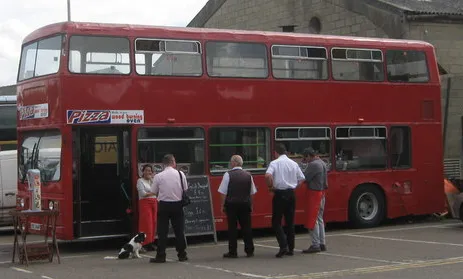
Photo: David Anstiss (original), cropped by User:Ultra7, CC BY-SA 2.0, via Wikimedia Commons
Office catering is a small exercise in risk management. You are feeding people you only sort of know, on a schedule you do not control, with a budget someone else approved. The safe move is the same pizza everyone has had a hundred times. The better move, especially as 2026 holiday calendars fill up, might be Indian pizza.
It sounds like a gamble. It is not. Indian pizza is still pizza. It arrives in boxes. It slices. It travels. But it also gives a group lunch something to talk about besides the quarterly update. The trick is ordering it like an office manager, not like a food writer.
Why It Travels Better Than You Think
Pizza is one of the few catering foods that survives a car ride, an elevator, and a conference room table without turning into a sad buffet tray. Indian pizza keeps that advantage. The format is familiar: crust, sauce, cheese, toppings. The flavors are what change. Tandoori chicken, paneer, spiced vegetables, and butter chicken sauce all sit comfortably on a pizza without demanding forks or a carving station.
The key is sauce discipline. Creamy sauces can make a pizza heavy, so ask for chutneys on the side and keep the pies themselves on the drier side. Avoid toppings that release a lot of water, like fresh tomatoes piled too high. Ask the kitchen to cut slices cleanly and pack the boxes flat. If the food has a 20-minute ride, it will be fine. If it has an hour, order a little extra and plan to reheat.
The Spice-Tolerance Map
Every office has a heat spectrum. There is the person who puts hot sauce on everything and the person who thinks black pepper is a personality. Do not force them into the same pie. Build a small heat map and order accordingly.
Mild pies should be genuinely mild: butter chicken, paneer tikka, cheese, and vegetable. Medium pies can carry tandoori chicken or a gentle tikka sauce. Hot pies should be clearly labeled and limited. Garlic-chili chutney and vindaloo-style toppings belong on the side or in a separate box, not baked into every slice.
Labels matter more than you think. A small card that says Mild, Medium, and Hot saves people from unpleasant surprises and saves you from answering the same question twelve times. Add a cooling side like raita or a simple cucumber salad. Mint chutney helps too. So does water. It sounds obvious. It is also the difference between a good lunch and a memorable one for the wrong reasons.
A Practical Order for 20 People
For a group of 20, plan on two to three slices per person, depending on whether lunch is the main event or a working session. That usually means six to eight large pizzas. A balanced order might look like this: two plain cheese or mild butter chicken pies, three medium pies with tandoori chicken or paneer, one hot pie for the heat seekers, and one vegetable pie that happens to be vegetarian. Add a chutney flight on the side, plus a salad and a few orders of raita.
If you want to introduce fusion flavors without a formal vote, make the mild pies the majority. Put the bolder pies next to them. People can choose their own adventure. The coworker who usually sticks to pepperoni can take a cheese slice and dip the crust in mango chutney. That is a win.
The Office Manager Checklist
- Send an anonymous spice-tolerance poll. Keep it simple: mild, medium, hot, and no preference.
- Ask about dietary needs: vegetarian, vegan, gluten-free, dairy-free, and allergies. Indian pizza can handle vegetarian easily, but confirm the cheese and crust.
- Order chutneys and hot sauces on the side. Do not let the kitchen decide the heat level for the whole office.
- Request labels for every box. Mild, medium, hot, vegetarian, and contains nuts if applicable.
- Confirm the delivery window and a backup reheat plan. Pizza is forgiving, but not immortal.
- Add plates, napkins, serving utensils, and a few small bowls for sauces. Do not assume the office kitchen has them.
- Keep one plain, familiar pie in the mix. It is not a failure. It is insurance.
Introducing Fusion to the Pepperoni Crowd
Language helps. Do not announce that lunch is an adventure. Announce that lunch is pizza. Let the tandoori chicken and paneer do the talking. Put the chutneys on the side with a tiny label. If someone asks what is in the butter chicken pie, tell them: chicken, creamy tomato sauce, mild spices, cheese. That sounds like dinner. It is dinner.
Avoid the phrase too spicy. It scares people off before they try anything. Instead, say which pies are mild and which are hot. Give people a clear path to the safe option. The bold eaters will find the garlic-chili. The cautious eaters will find the cheese. Everyone eats.
The Budget Case
Indian pizza is not automatically cheaper than a standard pizza order, but it can be a better value per head. The toppings are filling. The vegetarian options are substantial. A chutney flight adds variety without adding another main dish. And the novelty factor is real: a group lunch that feels a little different is more likely to be remembered than the same pepperoni and salad combo.
Get a quote for the full order, including sides and delivery. Compare it to your usual catering spend. If the numbers are close, choose the option that gives people something to talk about. The spreadsheet can handle it.